
.webp)

Still deciding if Thailand is the right fit?
A free video consultation is a low-pressure way to get your questions answered first.
Start with a free consultationKey Takeaways
- Cosmetic surgery in Thailand is a safe, strong choice for most international patients, when you pick a JCI-accredited hospital, a board-certified surgeon and a trip built around aftercare.
- The biggest risk abroad is not the operation. It is broken aftercare. Only about 26% of medical-tourism patients ever see their original surgeon again (PMC, 2024).
- Thailand isn't right for everyone. This guide shows what to check before you book, and who should think twice.
Thinking about cosmetic surgery in Thailand? For many patients from Australia, New Zealand, the UK and North America, it is an excellent option. Thailand has experienced surgeons, modern JCI-accredited hospitals and real value. But big claims are easy to make. So this guide gives you an honest look at what makes Thailand safe, what to check yourself, and how to tell if it fits you. If you'd like to see how a trip runs from start to finish, our guide to how the process works walks through every step.
1. Highly trained, experienced surgeons
Thailand's leading cosmetic surgeons are board-certified. Many have done advanced fellowships or trained overseas. They also perform their main procedures often, and that kind of volume tends to bring consistency. What matters most is the right surgeon for your procedure, and meeting them before you commit. You can see the credentials of the surgeons we work with on our surgeons page.
2. International-standard, JCI-accredited hospitals
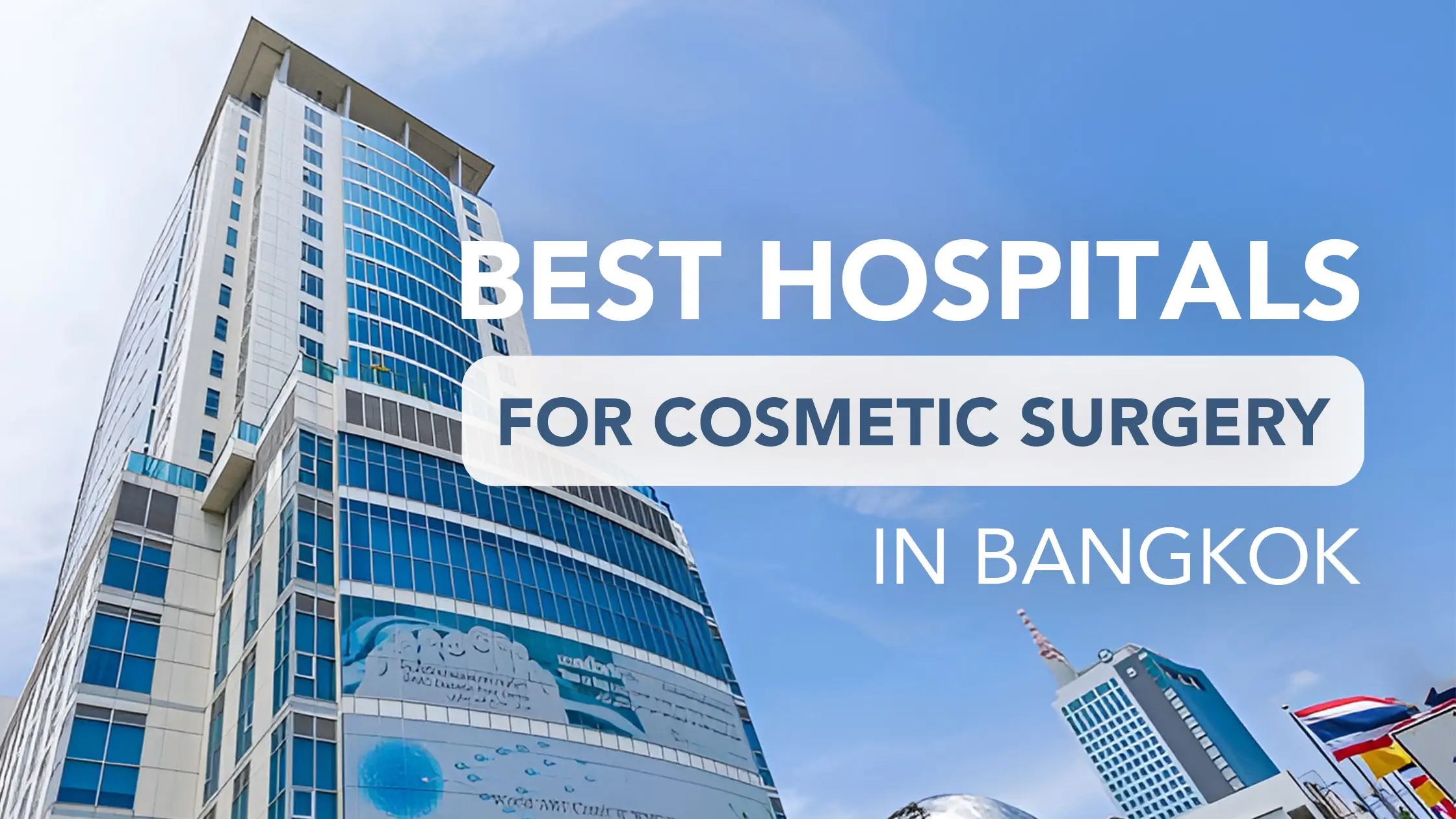
Beauty Butler works only with JCI-accredited hospitals. Joint Commission International sets the global standard for hospital safety. It covers surgical safety, infection control and patient rights. You can check any hospital's status yourself, so it is a fair thing to ask any provider about. See the hospitals we use on our hospitals page. For what the JCI badge does and doesn't cover, see our guide to JCI-accredited hospitals in Bangkok.
What to check before you book
Is cosmetic surgery in Thailand safe? Yes, for most patients, when four things are in place: a JCI-accredited hospital, a board-certified surgeon with real experience in your procedure, a consultation with that surgeon before you pay anything, and a clear aftercare plan. Safety comes from these choices far more than from the country itself. Use this checklist with any provider, including us.
- The hospital. Is it JCI-accredited today? Check the hospital on the JCI directory, not just the clinic's website.
- The surgeon. Are they board-certified? How often do they perform your procedure? Can you see their own before-and-after photos, not a general gallery?
- The consultation. Will you have a video consultation with the surgeon before you pay a deposit? You should know who is operating, and what the plan is, before you commit.
- The aftercare. Who do you contact during recovery in Thailand? Who helps once you're home, and how are follow-ups with your surgeon handled?
- The insurance. Normal travel insurance often doesn't cover a planned operation. Ask about special medical-travel cover before you book flights (Smartraveller).
Red flags worth taking seriously: a vague price with no clear list of what's included, no surgeon's name until you arrive, or pressure to pay quickly. A good provider is happy to answer every question first.
Which country is safest for plastic surgery?
No country is the safest on its own. The hospital, the surgeon and the aftercare decide how safe your surgery is. Thailand is one of the strongest choices: it has more than 60 JCI-accredited hospitals, according to Joint Commission International's directory, and two decades of experience treating international patients.
Is Turkey or Thailand better for cosmetic surgery?
For most face, body and breast procedures, Thailand is the stronger choice. It has more JCI-accredited hospitals and a longer track record across cosmetic surgery. Turkey's clear strength is hair transplants. For patients in Australia and New Zealand, Bangkok is also roughly half the flight time. See our full Thailand vs Turkey comparison.
3. Real value, not corner-cutting
Thailand offers world-class results at a fraction of the cost at home. The gap comes from lower wages, lower hospital costs and exchange rates. It does not come from cutting corners on care. The thing to look for is a clear quote that shows exactly what's included, not a low headline price with extras added later. For real prices by procedure, see our cost comparison, Thailand vs Australia.
4. Structured, supportive aftercare
This is where the real difference lies. Medical bodies agree that the biggest avoidable risk in surgery abroad is broken aftercare. Only about 26% of medical-tourism patients have any follow-up with their original surgeon once home (PMC, 2024). Costs also climb when things go wrong without one (ASPS). A well-run trip fixes that. You get a dedicated client manager while you're in Bangkok, aftercare support once you've flown home, your medical records on request, and a follow-up video call with your surgeon if you need one. Our complete guide to recovery in Thailand covers this in full.
5. A comfortable place to recover
Recovery matters as much as the surgery, and Thailand is well set up for it. A pre-checked, recovery-ready hotel, nurse visits at your hotel and a calm setting all help you heal. Feeling safe and looked after makes a real difference, most of all in the first 48 to 72 hours, when most patients need the most support.
6. Simple travel
Thailand is well connected, with direct flights from most major cities. One rule matters: plan your stay around recovery, not your flights. As a guide, surgeons advise staying about 8 to 12 days for face procedures, 10 to 14 for body, and 12 to 16 for combined surgery before you fly. Long flights soon after surgery raise the risk of blood clots (CDC). Your surgeon gives the final OK to fly.
7. A warm, caring culture
Thailand's reputation for warmth is real, and it shows in patient care. Hospital teams are used to international patients, and English-speaking staff make talking easy. That everyday kindness helps when you're recovering far from home.
8. Privacy and discretion
For many patients, recovering quietly in another country is part of the appeal. You heal on your own terms and fly home when you're ready, with your privacy respected throughout.
So, is Thailand right for you?
It's an excellent option for most patients who want world-class results with strong support, and who will plan the trip around recovery. It's less suitable if you can't take enough time to recover before flying, if you don't want a consultation before you travel, or if price matters more to you than quality and aftercare. If you value clear answers, real credentials and care that continues after surgery, Thailand is very likely a strong fit. A first conversation will tell you quickly.
Frequently asked questions
Is cosmetic surgery in Thailand safe?
Yes, for most patients, when the key things are in place: a JCI-accredited hospital, a board-certified surgeon experienced in your procedure, a consultation with that surgeon before you pay, and a clear aftercare plan. The checklist above shows what to confirm.
Is Thailand good for plastic surgery?
For most international patients, yes. Leading Thai surgeons are board-certified and many trained overseas, and Beauty Butler works only with JCI-accredited hospitals. The bigger question is how the whole trip is managed around the surgery. That is where a coordinated service matters most.
Which country is safest for plastic surgery?
No country is safest on its own. Your hospital, your surgeon and your aftercare decide how safe it is. Thailand is one of the strongest choices, with more than 60 JCI-accredited hospitals and two decades of experience with international patients.
Is Turkey or Thailand better for cosmetic surgery?
For most face, body and breast procedures, Thailand is the stronger choice, with more JCI-accredited hospitals and a longer track record. Turkey's clear strength is hair transplants. See our Thailand vs Turkey comparison.
How much does cosmetic surgery in Thailand cost?
Usually a fraction of the price at home, because wages and hospital costs are lower, not because care is cut. What matters is a clear quote that shows everything included. See our cost comparison by procedure.
Do I meet the surgeon before I commit?
Yes. You have a free video consultation with your surgeon before any deposit. You know exactly who is operating, and what your plan looks like, before you travel.
How long do I need to stay in Thailand?
Plan around recovery: about 8 to 12 days for face procedures, 10 to 14 for body, and 12 to 16 for combined surgery, until your surgeon clears you to fly.
The honest bottom line
Thailand earns its reputation with the mix that matters most: credentialed surgeons, accredited hospitals, real value, and aftercare that doesn't stop when you fly home. If that's what you're looking for, it's hard to beat.
Want to know if it's right for you? That's exactly what a first conversation is for. Start with a free consultation. There's no cost and no commitment, just clear answers.
This article is for general information and isn't medical advice. Your surgeon will give you guidance for your procedure and health, including a free video consultation before anything is booked.
.webp)
The results you want — for a fraction of the cost.
Thailand's top surgeons, concierge care from first hello to flight home, and no hidden prices. Curious what's possible for you?
Explore your optionsTrue luxury is peace of mind, especially when you are far from home.