
.webp)
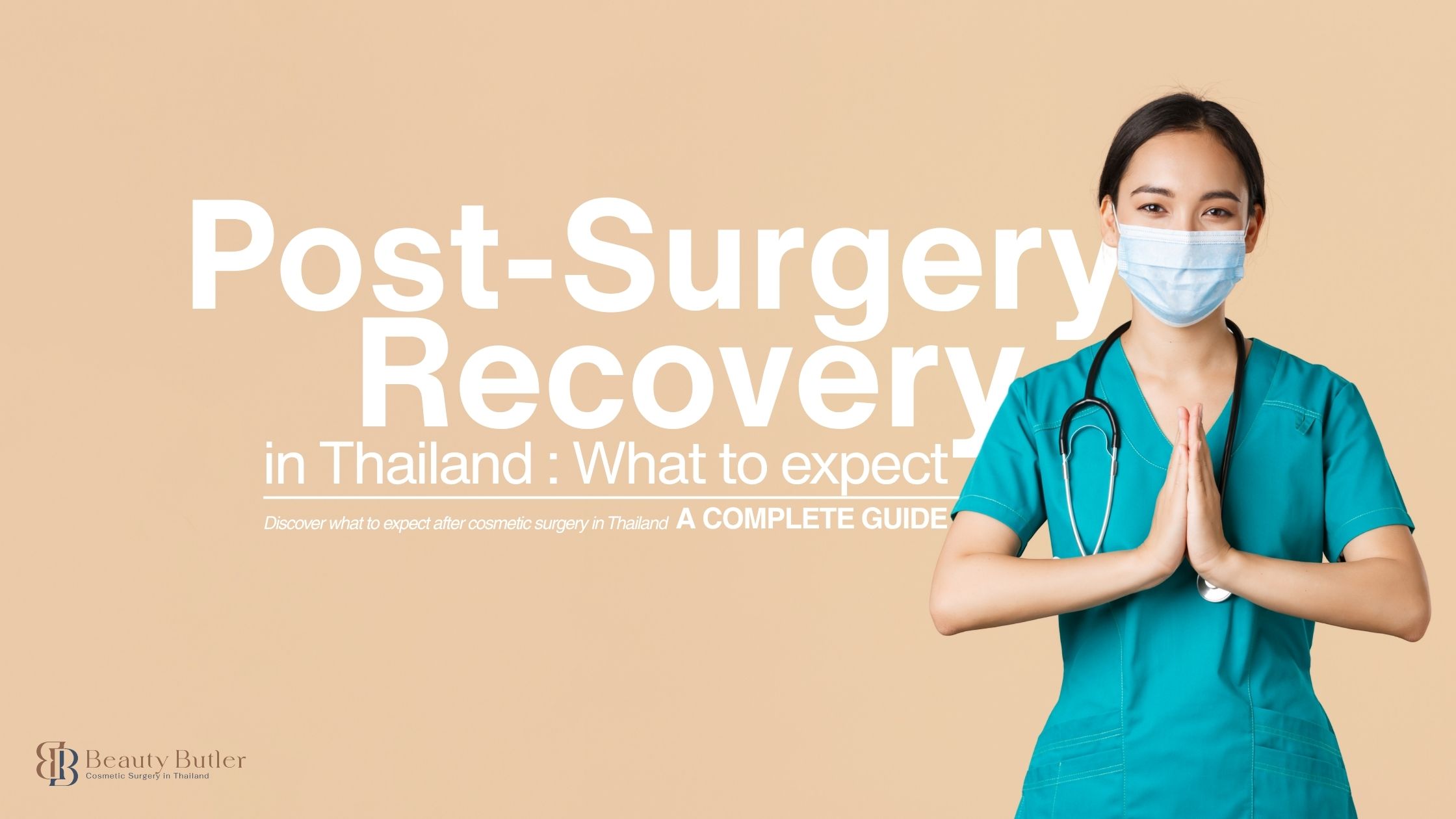
Wondering what your own recovery would actually look like?
A free consultation walks you through what to expect, day by day.
Start with a free consultationKey Takeaways
- Most patients need a caregiver for the first 48–72 hours after surgery (UCLA Health).
- Only about 26% of medical-tourism patients ever have a follow-up with their original surgeon once home (PMC, 2024). Coordinated aftercare, with medical records on request and a surgeon video call if you need one, helps close that gap.
- Your surgeon clears you to fly; for most procedures that's around 8–16 days depending on the surgery, and rushing it raises blood-clot risk (CDC).
Choosing surgery abroad is a considered decision, and the part that decides how it feels, and often how it heals, is what happens after the operating room. Recovery is where a trip either stays calm and well-managed or starts to feel lonely and uncertain. This guide walks you through what recovery in Thailand actually looks like, day by day, and the one factor most people overlook until it matters: continuity of care.
Why recovery, not just the surgery, decides your result
Surgeons and medical bodies are clear that the biggest avoidable risk in surgery abroad isn't the operation itself, it's what happens afterward. A peer-reviewed case series found that only 26% of medical-tourism patients had any post-operative visit with their original surgeon, and many returned home without proper medical records (PMC, 2024). The American Society of Plastic Surgeons makes the same point: when aftercare breaks down, manageable issues become expensive ones (ASPS).
That's the lens for everything below. Good recovery isn't luck. It's planning, monitoring, and someone reliable beside you.
What do the first 24–72 hours look like?
The first few days are the most intensive. Swelling and bruising usually peak in the first 48–72 hours, rest is the priority, and most patients need a friend, family member, or trained caretaker with them through that window (UCLA Health). Pain typically eases enough to step down medication by day four to seven (Northwell Health).
Here's how that window is usually handled in Thailand:
- Immediate monitoring: you recover in a private hospital room with post-op nursing care.
- Pain management: prescribed medication is administered and adjusted to keep you comfortable.
- Hydration and rest: nurses keep you hydrated, fed, and resting.
Most patients are discharged within about 24 hours. That hand-off, from hospital to wherever you'll recover, is exactly where a coordinated service earns its place.
Hotel recovery vs. a hospital stay
Thailand gives you the flexibility to recover in a comfortable, pre-screened hotel rather than an extended hospital stay, once your surgeon agrees you're ready. The trade-off is comfort and privacy versus on-site clinical staff, so the right choice depends on your procedure and how the first days go.
A recovery-ready hotel isn't just any hotel. It needs the basics that make healing safe and easy:
- Elevator access and step-free movement
- In-room dining so you don't have to go out
- A spacious, comfortable room to recover in
Beauty Butler coordinates the room, transport from hospital to hotel, and in-room nurse visits to check vitals, incisions, and dressings, so the move out of hospital doesn't mean moving away from care.
When is it safe to fly home after surgery?
This is the question almost everyone asks, and the honest answer is: your surgeon decides, based on your procedure and how you're healing. As a working guide, Beauty Butler's surgeons typically advise staying around 8–12 days for facial procedures, 10–14 days for body procedures, and 12–16 days for combined surgery before you fly. The reason to wait is real: long flights and reduced movement raise the risk of blood clots after surgery (CDC), so the final clearance to travel always comes from your surgeon.
- Facial (rhinoplasty, facelift, eyelid): around 8–12 days, for swelling and pressure changes.
- Body (tummy tuck, liposuction): around 10–14 days, for clot risk, mobility, and drains.
- Combined or multiple procedures: around 12–16 days, for higher monitoring needs.
This is also why your length of stay should be planned around your recovery, not your flights. Booking a return flight too early is one of the most common mistakes patients make.
Recovery timelines by procedure
Every procedure heals on its own schedule, and your surgeon will give you a personalised plan. As a general orientation:
- Rhinoplasty: splint and swelling in week one; most visible swelling settles over the following weeks, with subtle changes continuing for months.
- Facelift / eyelid surgery: bruising and swelling peak days 1–3; suture care around days 4–7; light outings often comfortable by week two.
- Tummy tuck / mommy makeover: bed rest with mobility help days 1–3; daily assistance through week one; walking and light activity returning around week three.
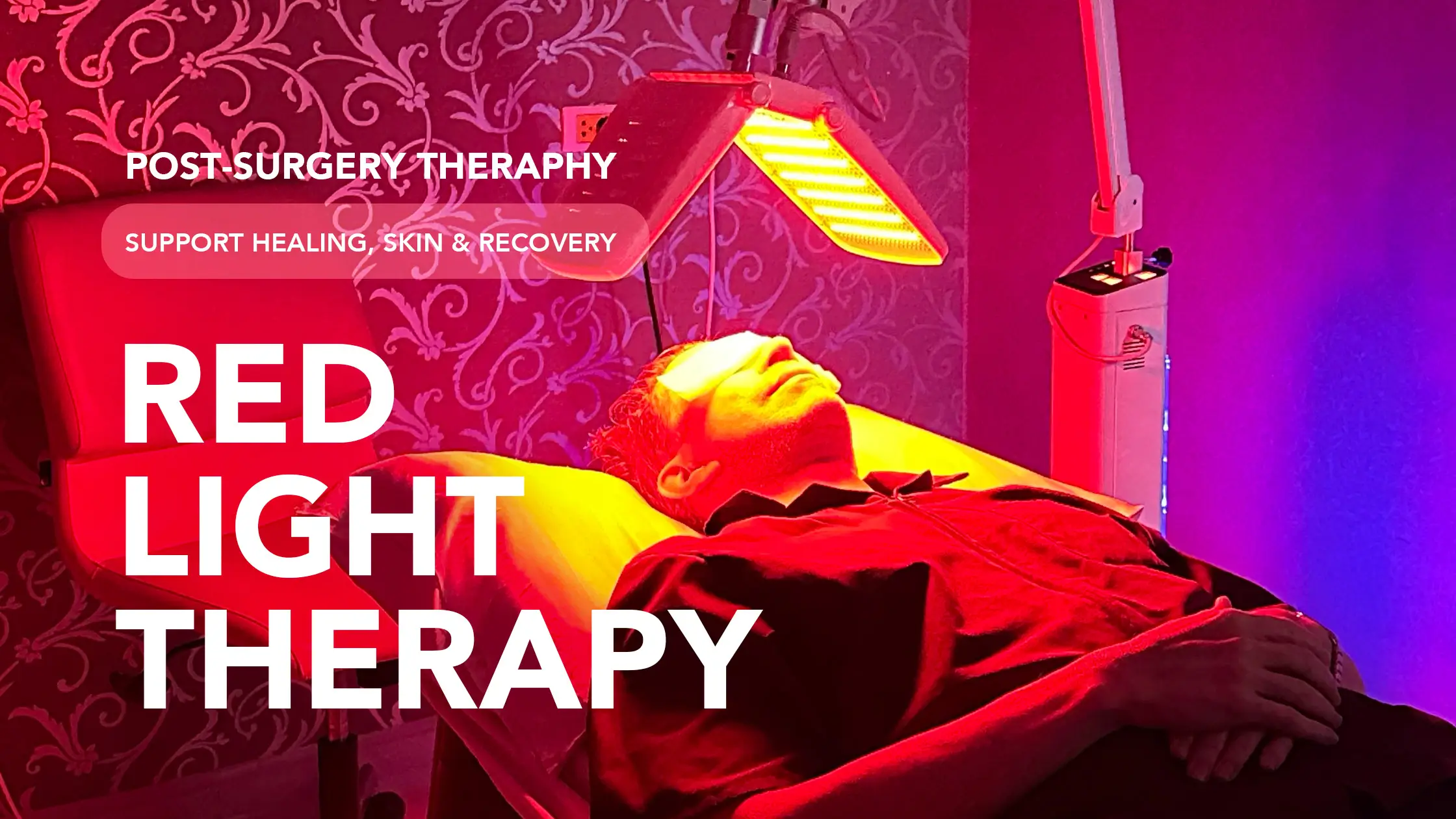
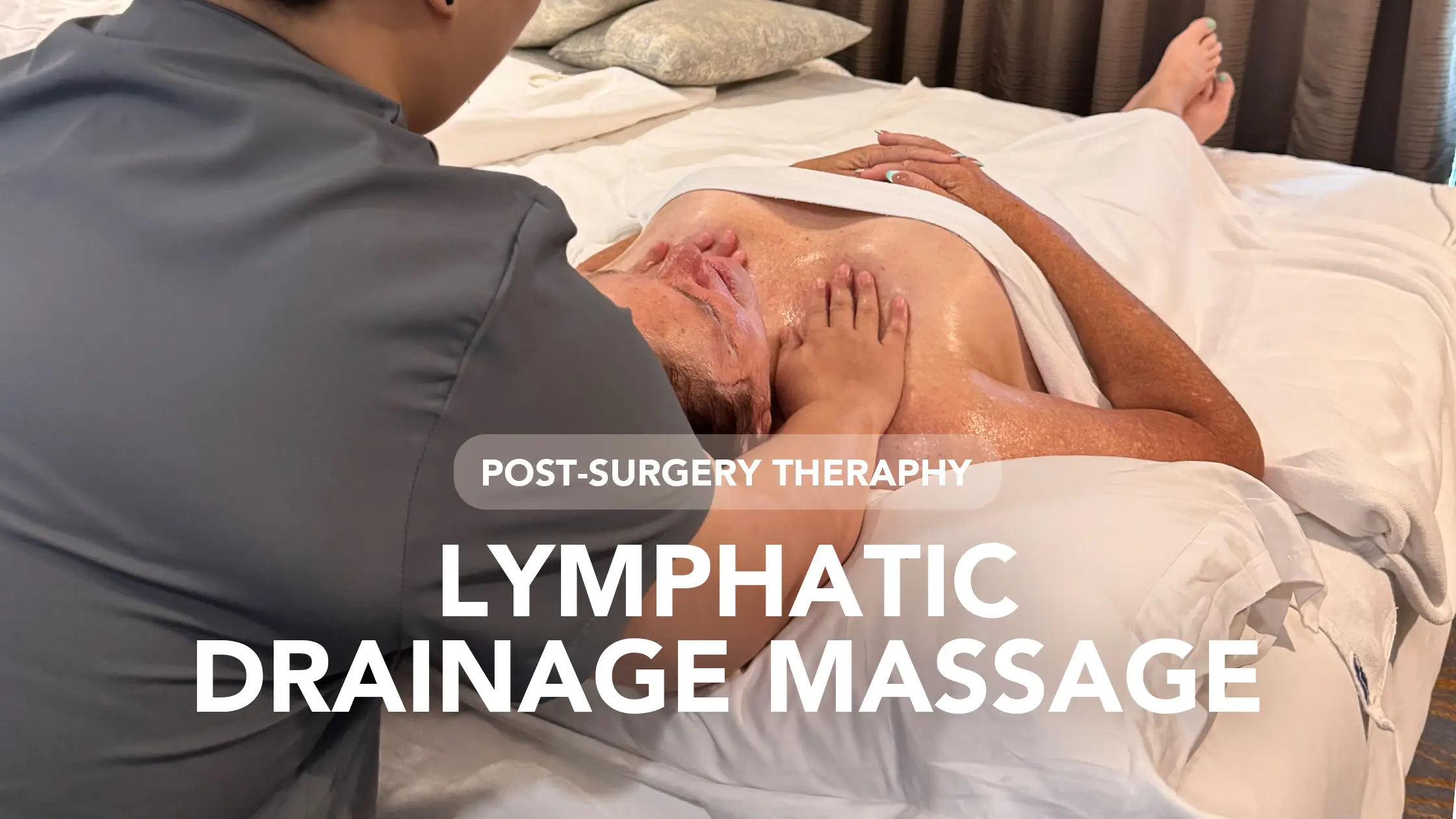
- Liposuction: compression garments and gentle walking from days 1–4; lymphatic massage support and reduced swelling through week two. See our liposuction recovery timeline.
- Gastric sleeve: a staged liquid-to-solid diet over several weeks, with early gentle movement to support circulation.
These are general timelines, not promises. Your surgeon tailors them to you, and you'll meet them on a free video consultation before anything is booked.
Safety and continuity of care: the part most people overlook
Here's the piece that rarely makes the brochure. Research treating medical-tourism complications back home found infections and fluid collections were common in the cases that went wrong, and costs climbed when patients had no surgeon and no records to refer to (ASPS). The root cause is almost always the same: a broken chain of care once the patient flies home.
A well-run trip is built to soften exactly that. It means your medical records are available to you on request, you can arrange a follow-up video call with your surgeon if you need one, and we're always available to help once you're back home. If you want to understand how to judge a provider on safety, our guide to what hospital accreditation and surgeon standards actually mean breaks it down.
How Beauty Butler supports your recovery
Beauty Butler is a coordination and concierge service, so recovery is where much of that support is felt. Rather than leaving you to assemble care yourself, the trip is managed end to end:
- Private recovery rooms: quiet, clean, and equipped with the essentials.
- Daily nurse visits: hotel or in-room checks of wounds, medication, and vitals.
- Caretaker support: trained assistants available for 6, 12, or 24-hour shifts, so you're never alone for the hard part.
- Transport: airport pick-up, hospital drop-offs, and pharmacy runs handled.
- A dedicated client manager during your time in Bangkok, plus aftercare support once you've travelled home.
- A follow-up video call with your surgeon if you need one after you're back home.
You can see the full picture in our all-inclusive package. The point of all of it is simple: you focus on healing, and the logistics are someone else's job.
Eating, moving, and sleeping well after surgery
Small daily habits move recovery along. Your surgeon and nurses will guide nutrition, gentle movement to support circulation, and sleeping slightly elevated to ease swelling. For a deeper look, see our guide to the best foods, supplements, and hydration for recovery and gentle activities that help you recover in Thailand.
The emotional side of recovery
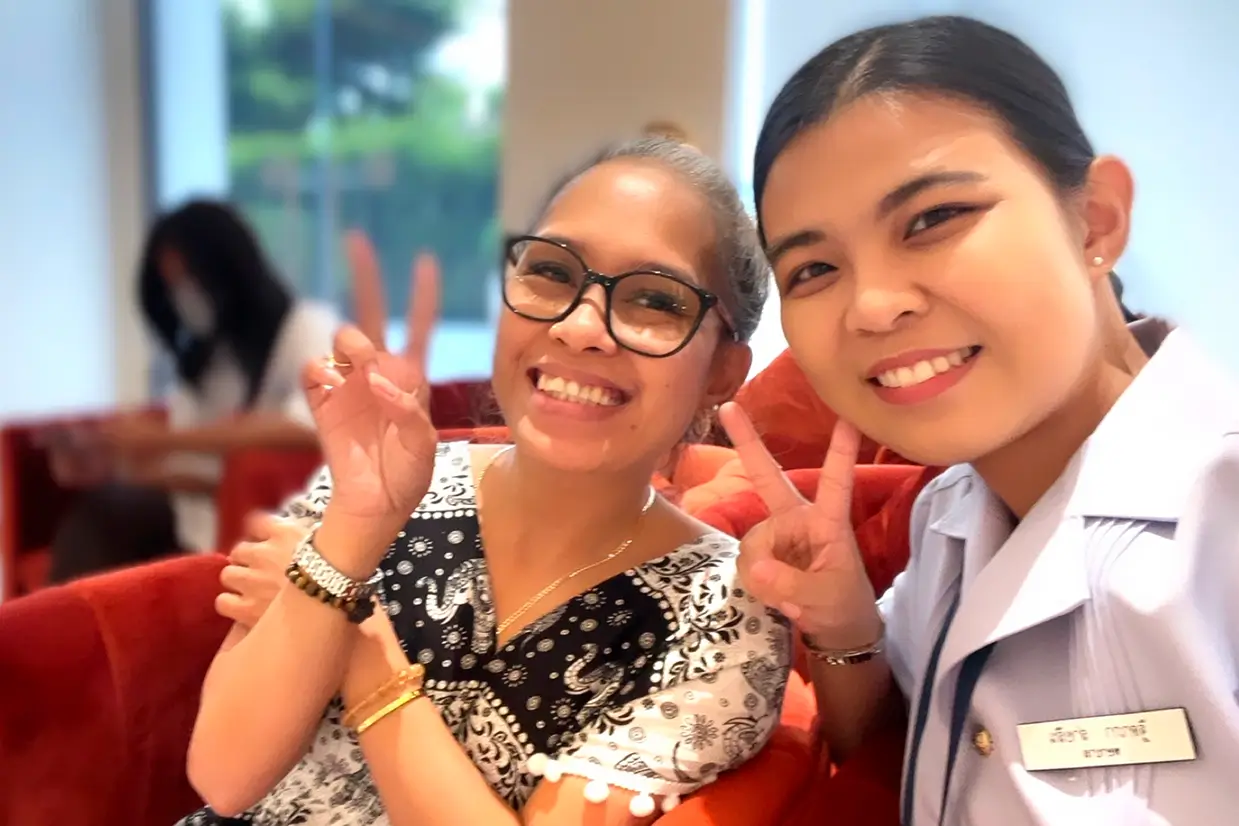
Recovering away from home can feel like a lot, and that's normal. Feeling safe, seen, and looked after genuinely supports physical healing, which is why having someone to check in on how you're doing matters as much as the clinical care. Many patients tell us the reassurance of not being alone was the part they valued most. You can read real recoveries in our Beauty Journeys, in patients' own words.
Frequently asked questions
How long should I stay in Thailand after cosmetic surgery?
Plan your stay around recovery, not your flights. Most patients stay around 8–16 days depending on the procedure: roughly 8–12 days for facial surgery, 10–14 for body, and 12–16 for combined procedures, so your surgeon can monitor early healing and clear you to fly.
When can I fly home after surgery?
Your surgeon gives the final clearance. Beauty Butler's surgeons typically advise about 8–12 days for facial procedures, 10–14 days for body, and 12–16 days for combined surgery, because reduced movement on long flights raises clot risk (CDC).
What happens if I have a complication after I get home?
This is why continuity of care matters. With your medical records available on request and the option of a follow-up video call with your surgeon, issues can be assessed quickly rather than starting from scratch, and we're always on hand to help. Research shows only about 26% of medical-tourism patients otherwise reconnect with their surgeon (PMC, 2024).
Do I need someone with me during recovery?
Yes, especially for the first 48–72 hours, when most patients need help and rest is the priority (UCLA Health). Caretaker support can cover this if you're travelling alone.
Is recovering in a hotel safe?
It can be, once your surgeon agrees you're ready and the hotel is recovery-ready, with elevator access, in-room dining, and nurse visits to monitor healing. The right setup is comfortable and well-supported.
Recovering with confidence
Thailand pairs world-class surgeons with a recovery experience built around your well-being, at a fraction of the cost you'd expect at home. The result you want depends on healing well, and healing well depends on care that doesn't stop when you leave the hospital.
If you have questions about what your recovery would look like, that's exactly what a first conversation is for. Start with a free consultation. There's no cost and no commitment, just clear answers.
This article is for general information and isn't medical advice. Your surgeon will give you guidance specific to your procedure and health, including a free video consultation before anything is booked.


.webp)
The results you want — for a fraction of the cost.
Thailand's top surgeons, concierge care from first hello to flight home, and no hidden prices. Curious what's possible for you?
Explore your optionsTrue luxury is peace of mind, especially when you are far from home.