

.webp)
.webp)
Facelift
Hospital stay: 1-2 nights
Duration of stay: 2 weeks
Recovery Time: 1–3 weeks for initial recovery; full results typically visible in 6–12 months
Real Stories, Real Transformations
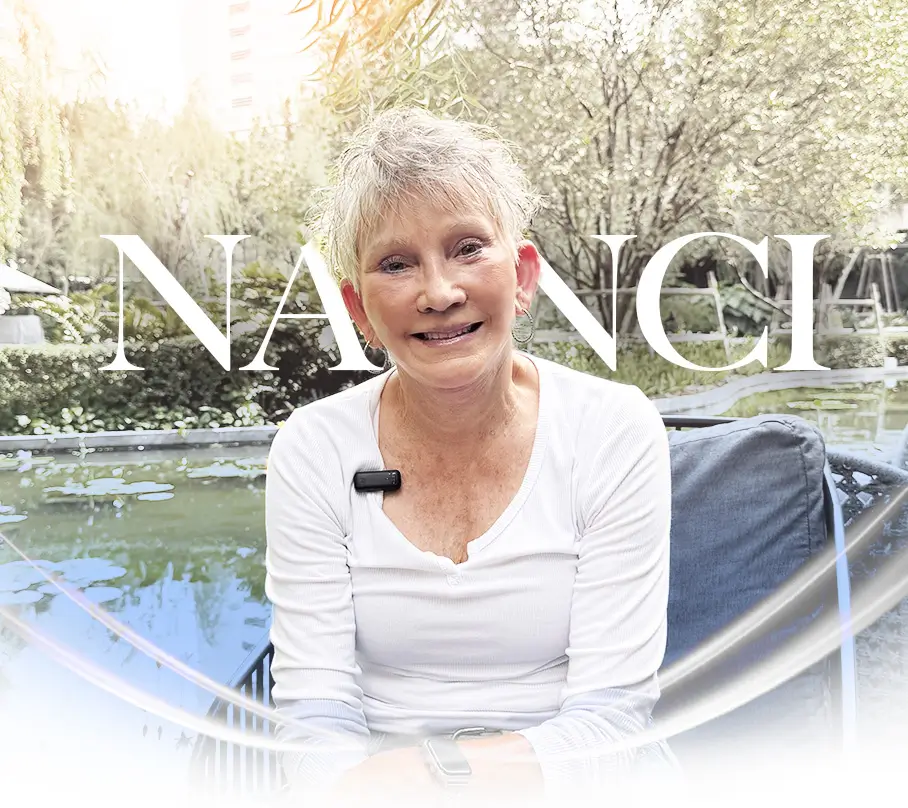
See what it's really like to travel with Beauty Butler. Hear from Laura and Nanci — real women who trusted us with their transformation, and discover how we guided them every step of the way.


Facelift
Hospital stay: 1-2 nights
Duration of stay: 2 weeks
Recovery Time: 1–3 weeks for initial recovery; full results typically visible in 6–12 months
What is a facelift?
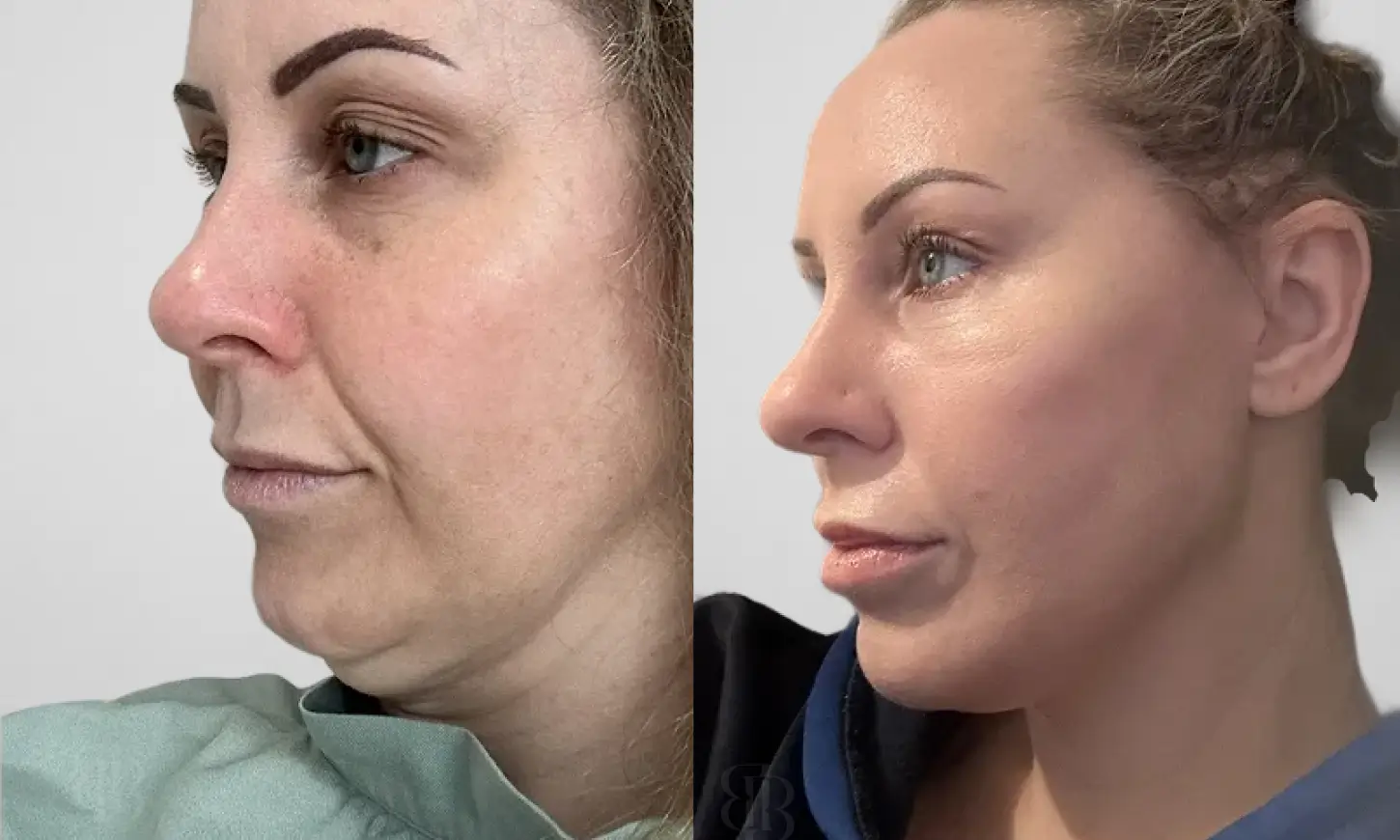
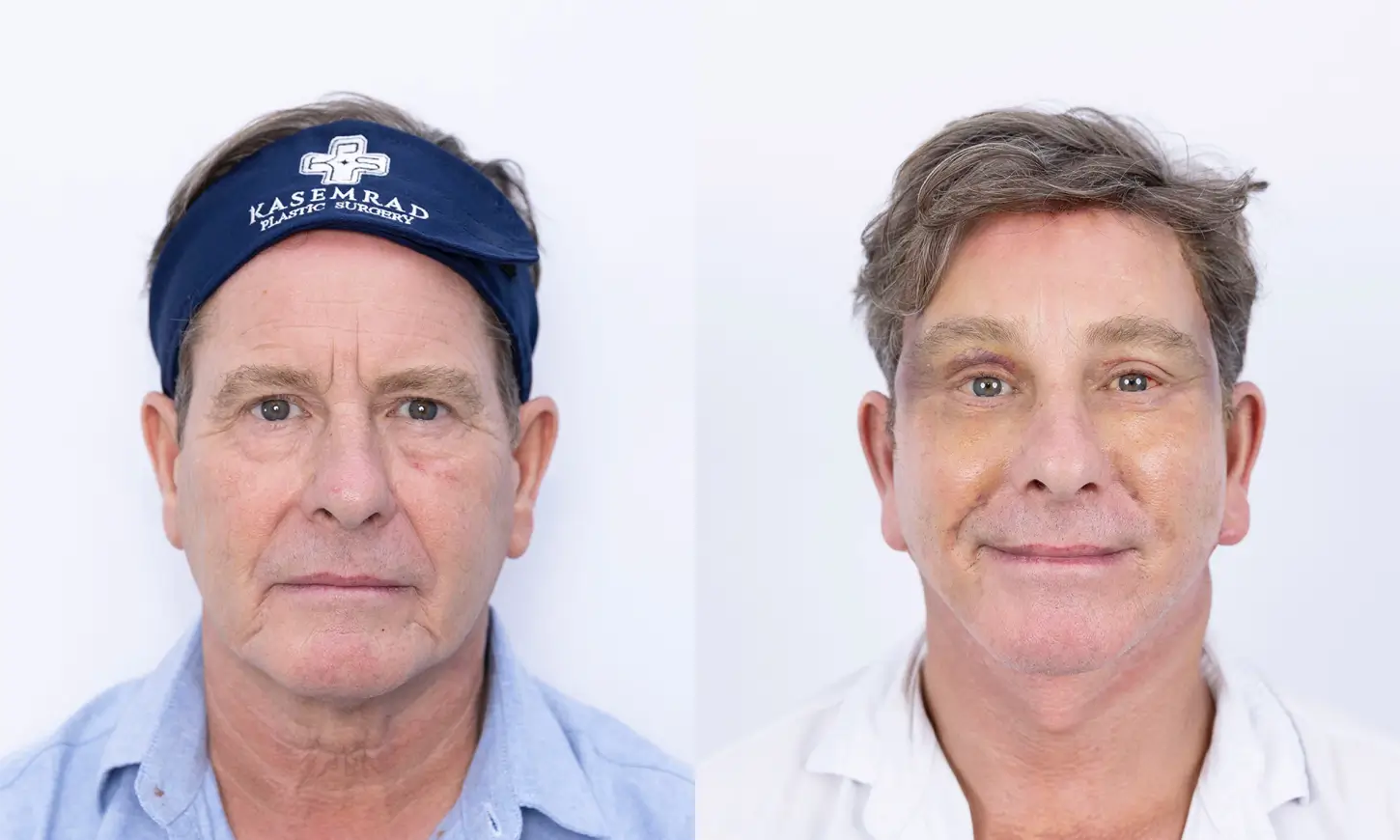
A facelift — medically known as a rhytidectomy — is a surgical procedure that lifts and tightens the skin and deeper muscle layers of the face, addressing sagging skin, jowls, deep folds around the mouth, and lost definition along the jawline and neck.
Performed under general anaesthesia, the surgery takes three to five hours. Most patients spend one to two nights in hospital before transitioning to recovery. Results typically last 10 to 15 years, depending on the technique used.
A good facelift doesn't change who you are. It restores the version of you that has always been there.
How much does a facelift in Thailand cost?
A facelift in Thailand with Beauty Butler costs from THB 139,000 for a mini facelift to THB 269,000 for a full deep plane facelift, all-inclusive. What you pay depends on the technique your face needs.
Your surgeon assesses your facial anatomy, skin laxity, and goals at consultation, then recommends one technique with a clear reason.
Deep Plane Facelift
Best for significant facial sagging, deep nasolabial folds, or volume loss in the midface — typically patients aged 50 and onwards.
Releases the ligaments that anchor the facial muscles, then lifts skin and muscle together as one unit. The face is repositioned, not pulled — which is why deep plane results look natural and last longer.
This is the technique we coordinate most often for international patients.
SMAS Facelift
Best for moderate to significant sagging in the mid to lower face — most often patients in their 40s and early 50s.
Lifts and tightens the Superficial Musculoaponeurotic System — the muscle layer beneath the skin — and repositions it for a natural lift. The most widely performed facelift technique worldwide.
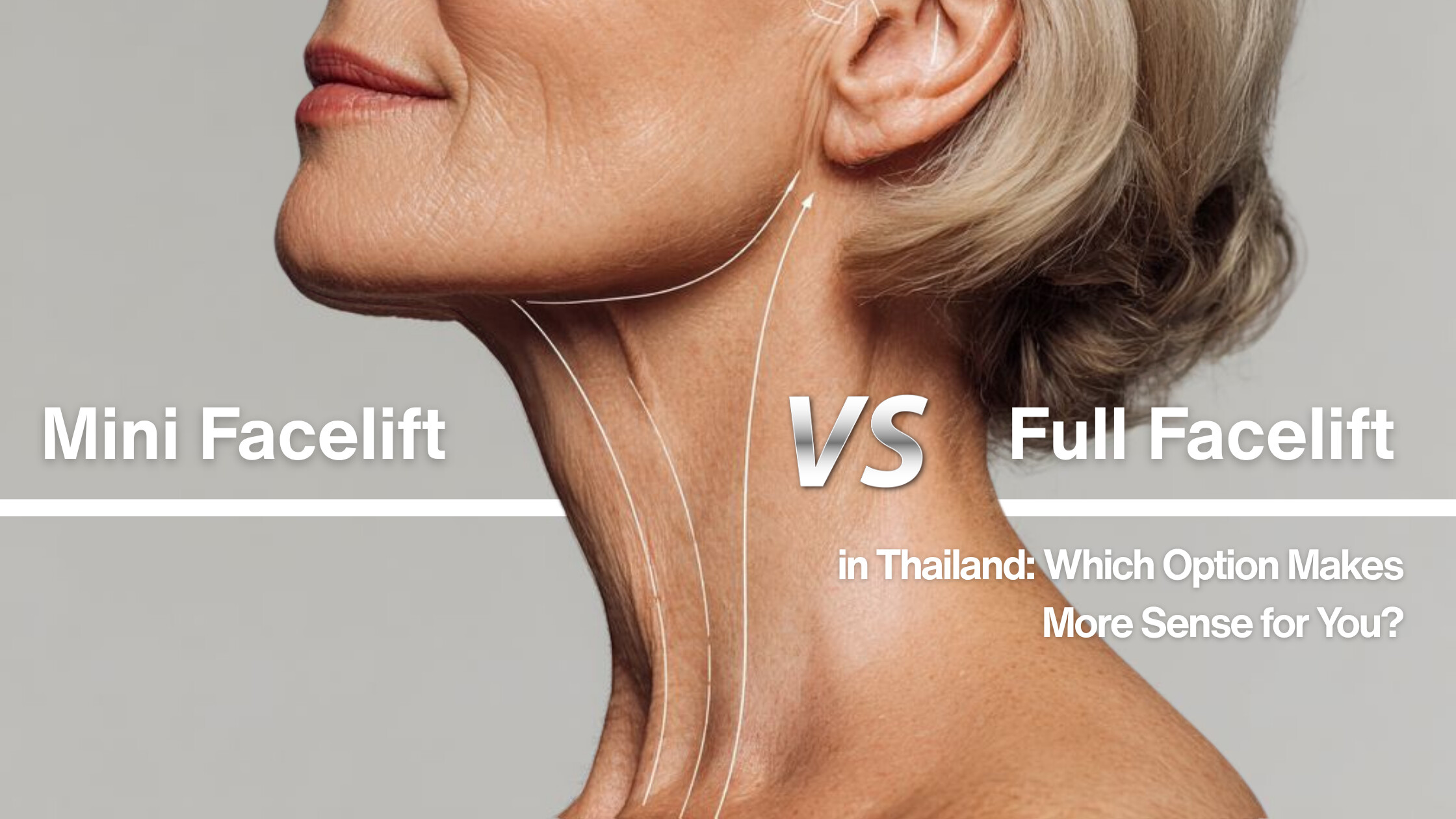
Mini Facelift
Best for patients in their 30s with mild skin laxity along the lower face and jawline — early signs of ageing where the right answer is a small, targeted lift, not a full procedure.
A less invasive approach using shorter incisions to lift and tighten the lower third of the face. Faster recovery, minimal scarring.
SMAS vs Deep Plane
SMAS
vs.
Deep Plane


The SMAS layer is lifted, but ligaments are left intact, limiting mobility and creating tension.
Ligaments are fully released, allowing deep structures and skin to be lifted as one unit.

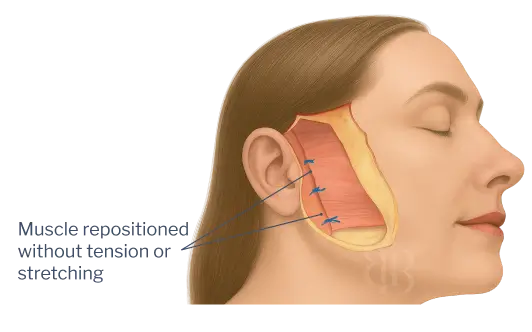
The muscle is folded to mimic lift, but without releasing deeper attachments, results may look less natural.
The muscle is repositioned to its original location without pulling or folding, preserving natural movement.

Excess skin is trimmed to smooth the surface, though some tightness may remain.
Excess skin is removed only after deep layers are set, giving a smooth, tension-free finish.
Which facelift is right for you
Anatomy matters more than age. A rough guide:
- Patients in their 30s with mild early-stage loosening — mini facelift. Anything more is overcorrection.
- Patients in their 40s and early 50s with moderate sagging and visible jowls — SMAS facelift.
- Patients aged 50 and onwards with significant sagging, deep folds, or midface volume loss — deep plane facelift.
Your surgeon will tell you which technique your face is best suited to and why — not a menu to figure out yourself.
Recovery — what 14 days in Bangkok actually look like
A facelift is the operation; the two weeks afterwards determine how comfortable, supported, and well-healed you are when you fly home. A typical recovery stay with us:
Why patients choose Beauty Butler
Most agencies in Bangkok offer comparable surgeons, comparable hospitals, and comparable prices. The difference is the aftercare — and the trust you can build before you commit.
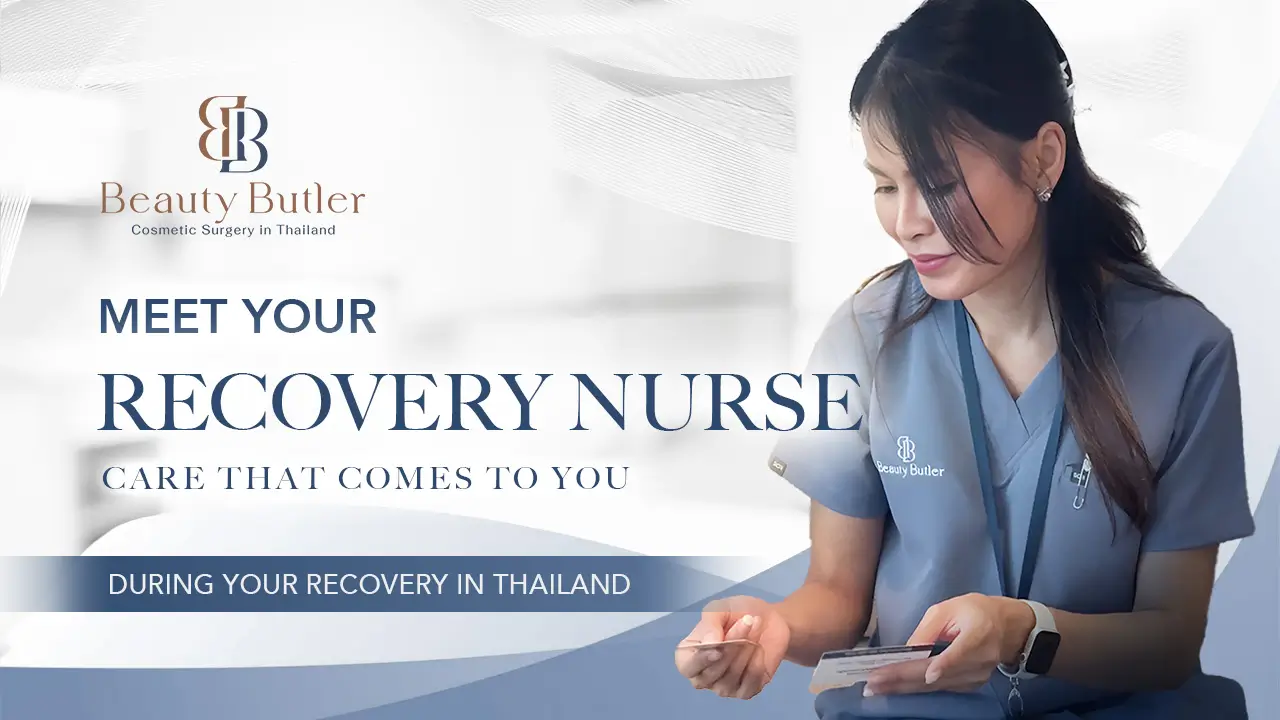
- A personal coordinator and daily nurse visits at your apartment. One named coordinator owns your experience from arrival through your flight home and beyond. Our nurse visits your apartment every day during recovery — wound checks, dressing changes, swelling assessment, and answers to whatever you're noticing as you heal.
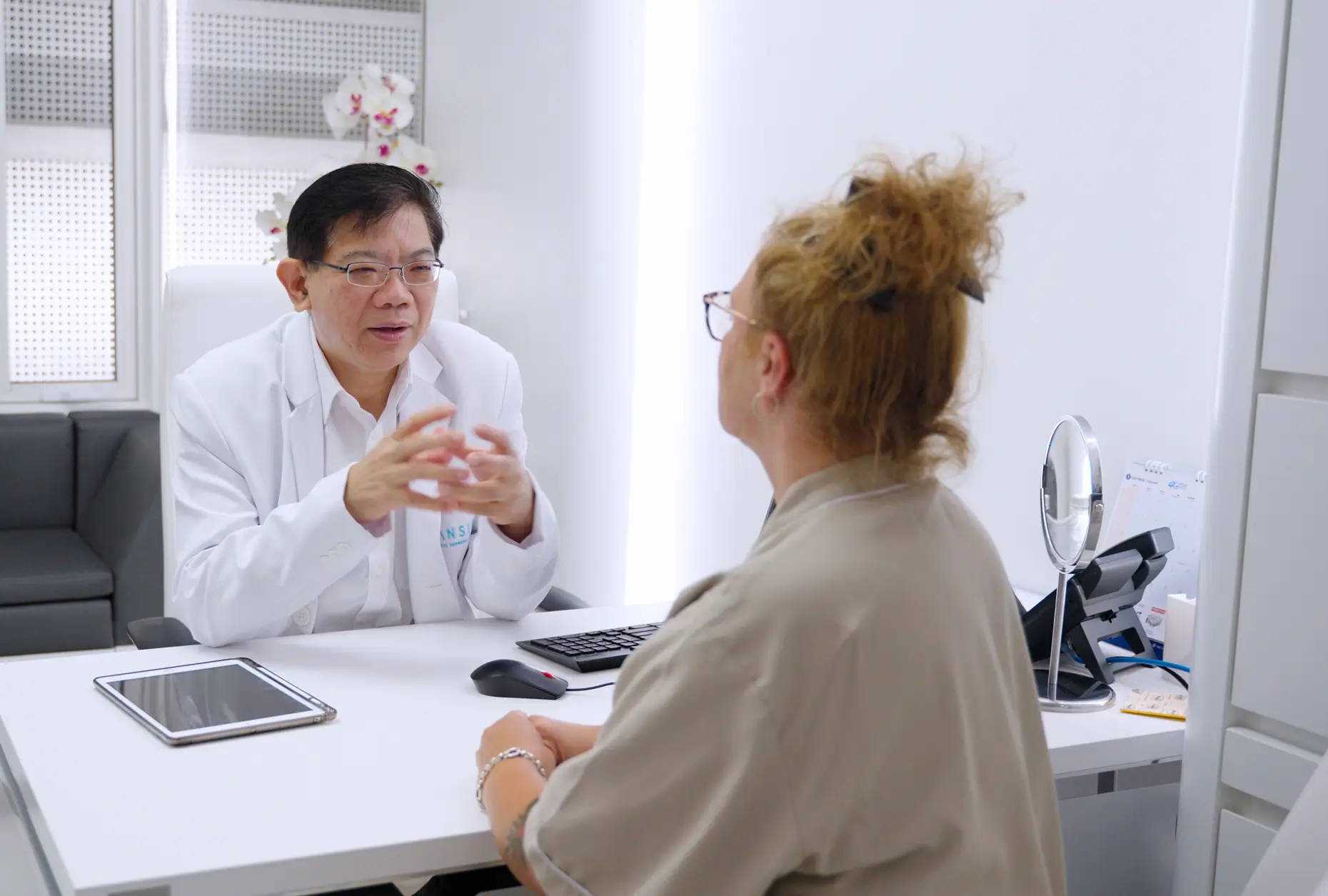
- A consultation with your surgeon before you book. You meet your surgeon, ask your questions, see how they think about your face — and then decide whether to commit. No deposit pressure, no committing to a procedure before you've actually spoken with the person performing it.
- Surgeons we've personally vetted, at JCI-accredited hospitals. A small group of Thai-board-certified plastic surgeons we work with directly — selected for their outcomes and their judgement, not their availability. Meet our surgeons
- Transparent pricing, fully itemised, no hidden add-ons. Every line of your package is laid out before you confirm. The number you're quoted is the number you pay — add-ons that other agencies tack on later (medication, garments, follow-ups, ground transport) are already in the package. A deposit secures your booking; the balance is due two weeks before your surgery, not on arrival.
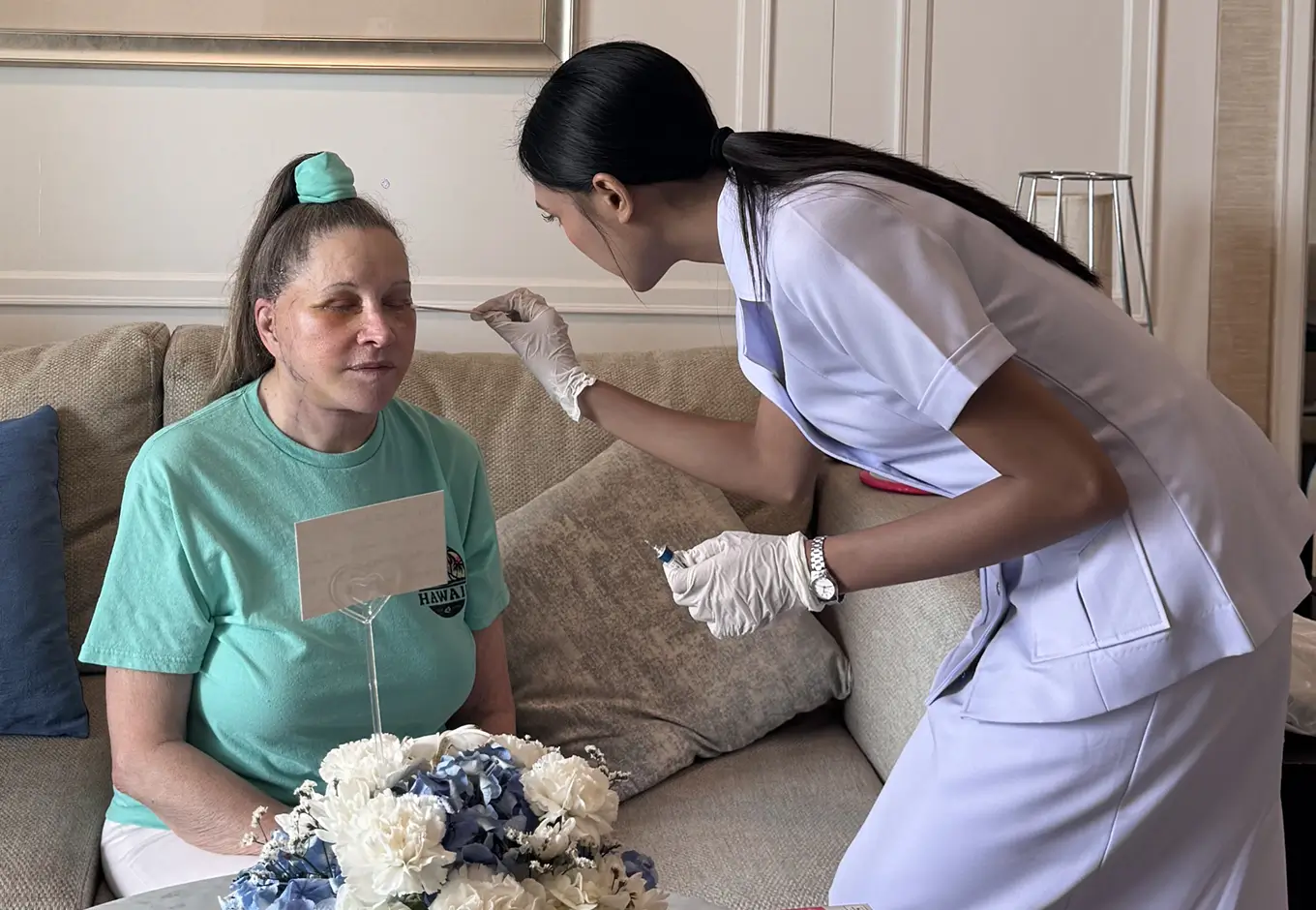
- Recovery designed around healing, not just sleeping. A spacious one-bedroom apartment in central Bangkok rather than a standard hotel room. In-apartment lymphatic drainage massage from day 7. Curated gentle outings paced to where you are in recovery. Follow-up surgeon appointments arranged and accompanied.
After you fly home, we're always available for any concerns.
Discover Our Package Deals
(Pricing based on mid and lower facelift)
Surgery Only
from THB 179,000 (∼USD 5,500)
Ideal for a stress-free experience

What's included
- Pre-surgery health check
- 1-night private hospital room with nursing care
- Modern hospital facilities & operating room
- Quality meals during stay
- Post-surgery medication
- Post-op compression garment
- Free WiFi and a Thailand travel eSIM
Comfort Package
from THB 217,500 (∼USD 6,700)
Relax and recover in comfort
What's included
Everything in the Surgery Only Package, PLUS:
- 11 nights - 5 star hotel stay for a peaceful recovery
- Nurse visits at your hotel
- Daily breakfast included at the hotel
- All transfers (Airport, Hotel, Hospital)
- Support person +500 THB/ night
Solo Traveller
from THB 239,000 (∼USD 7,400)
Feel cared for 24/7, even on your own
What's included
Everything in the Comfort Package, PLUS:
- Extended hospital stay
- Optional caretaker stay with you at the hotel after discharge
- Regular nurse visits at your hotel during recovery
- All transfers included (Airport, Hotel, Hospital)
- Breakfast and dinner included

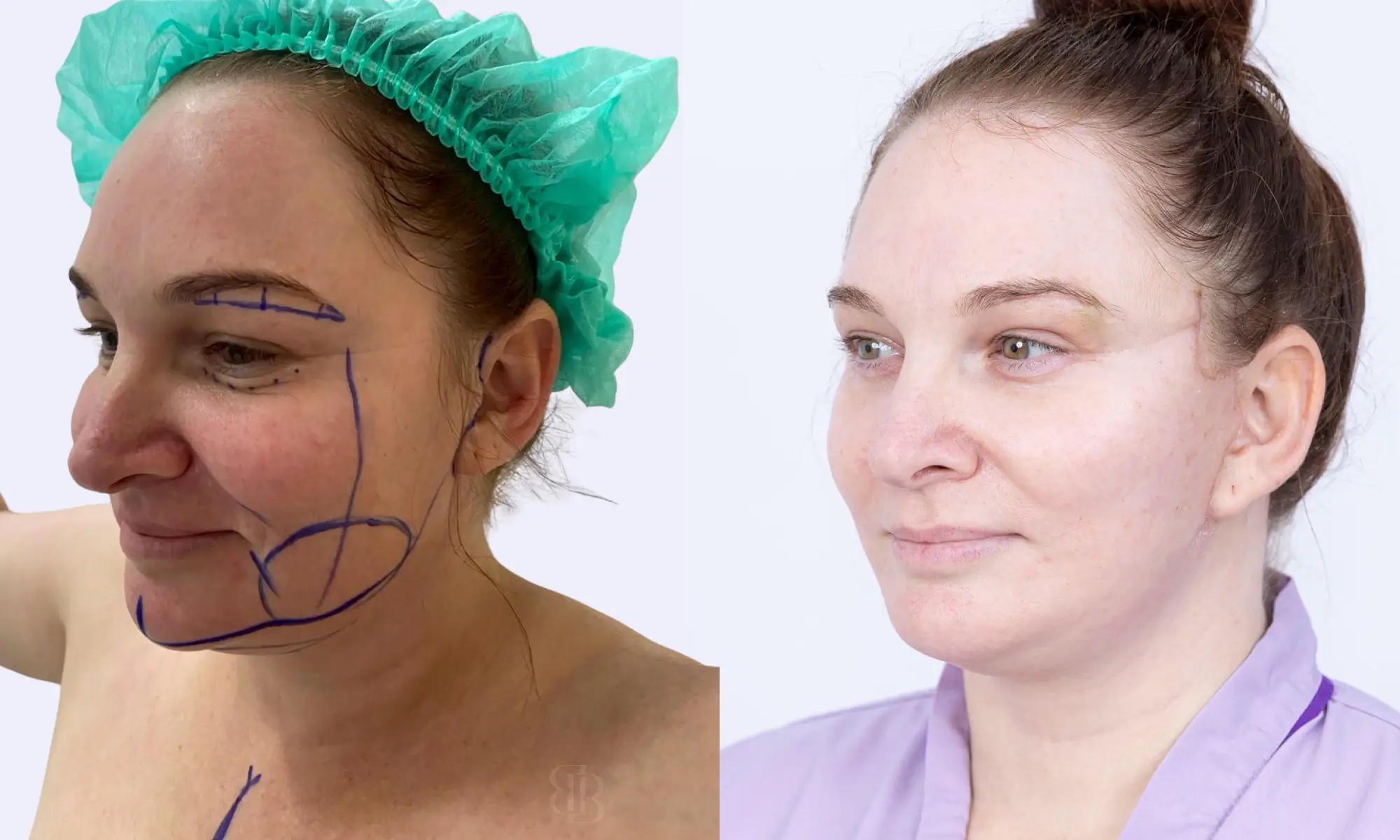
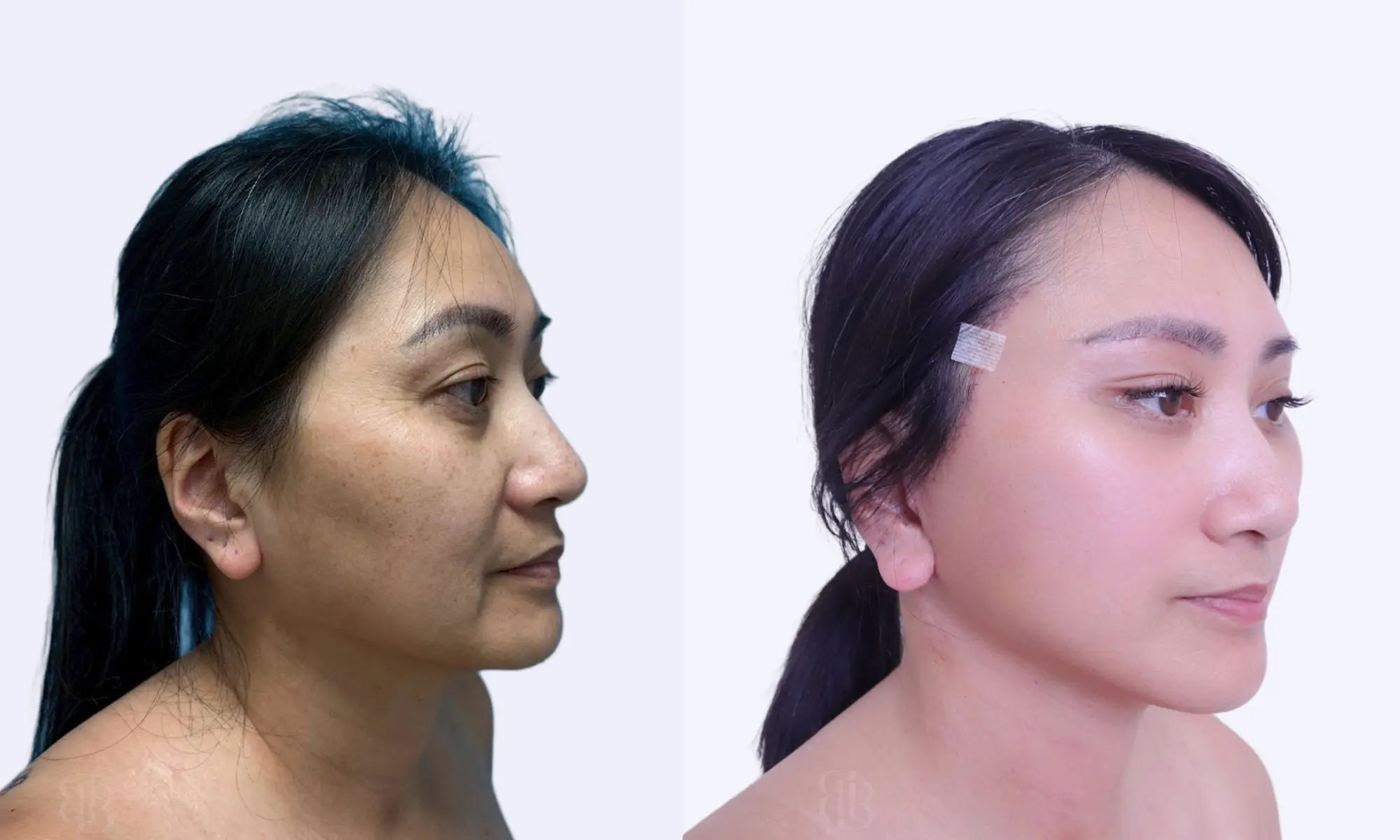
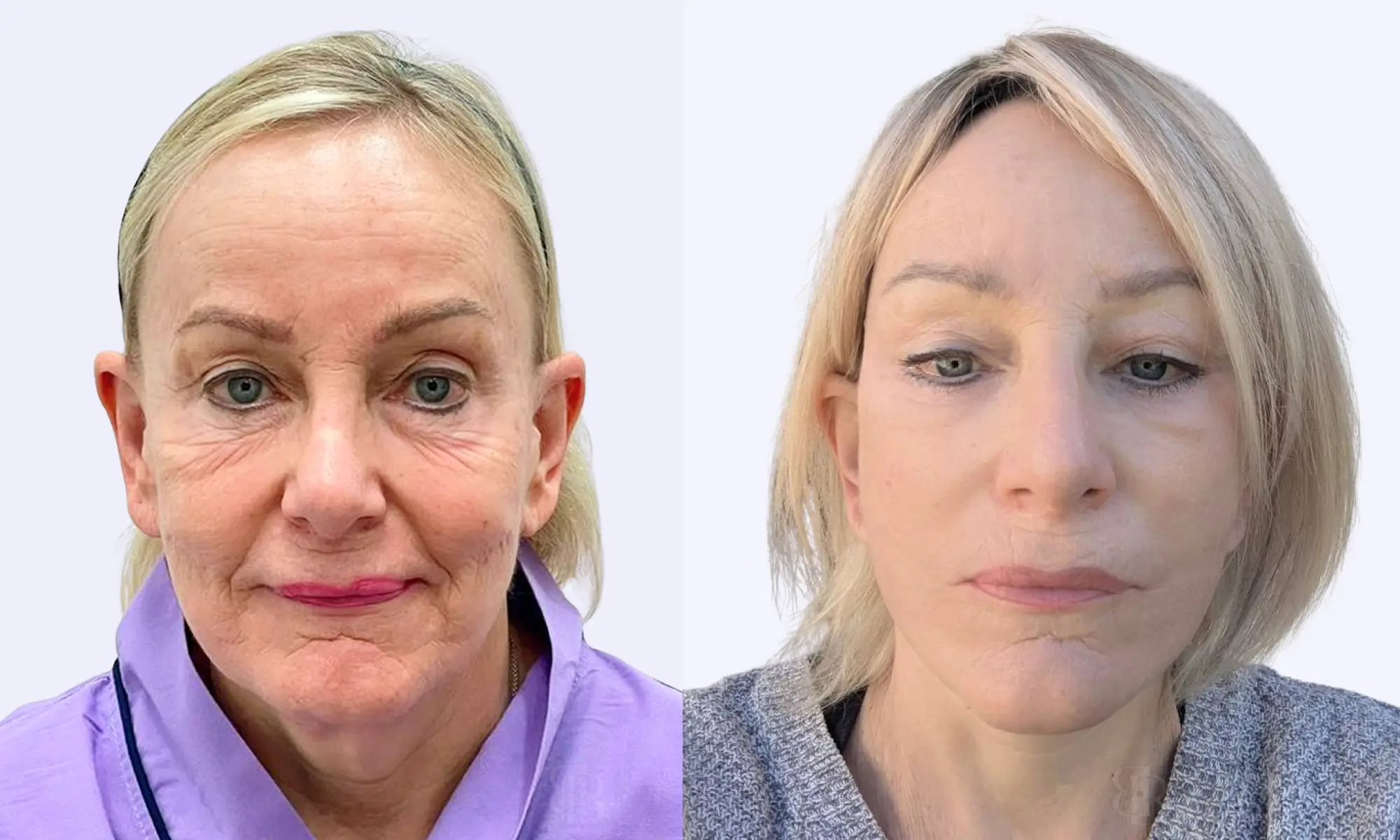
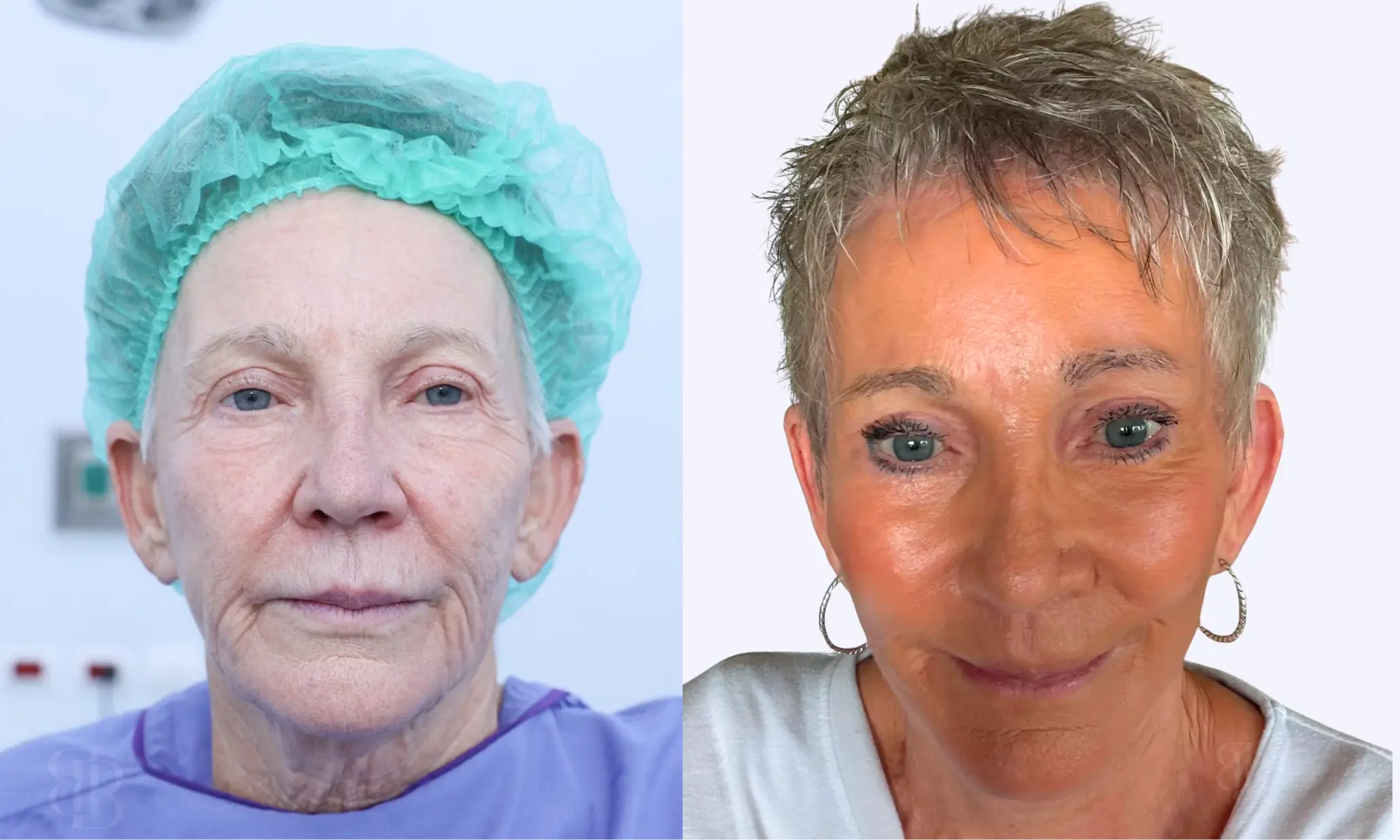
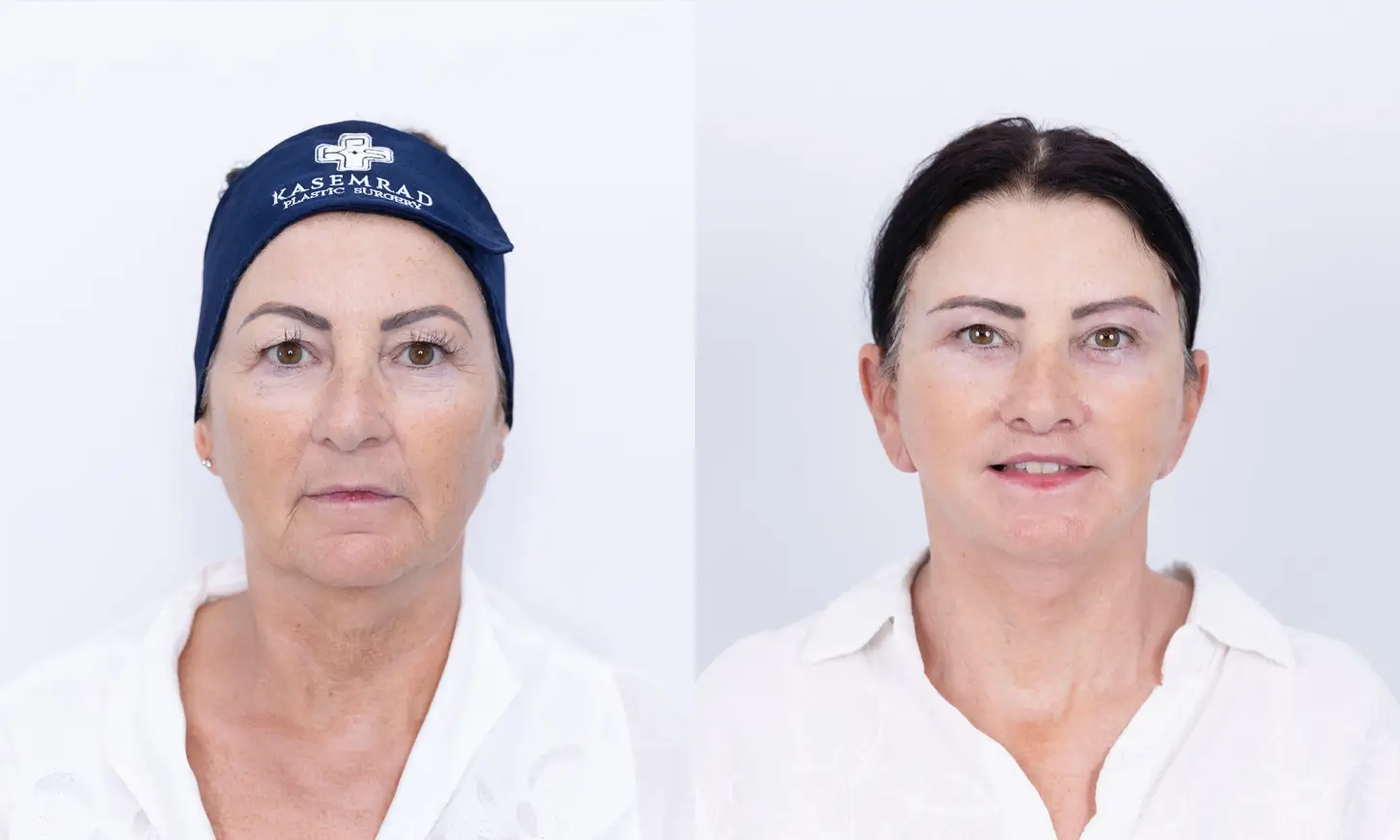
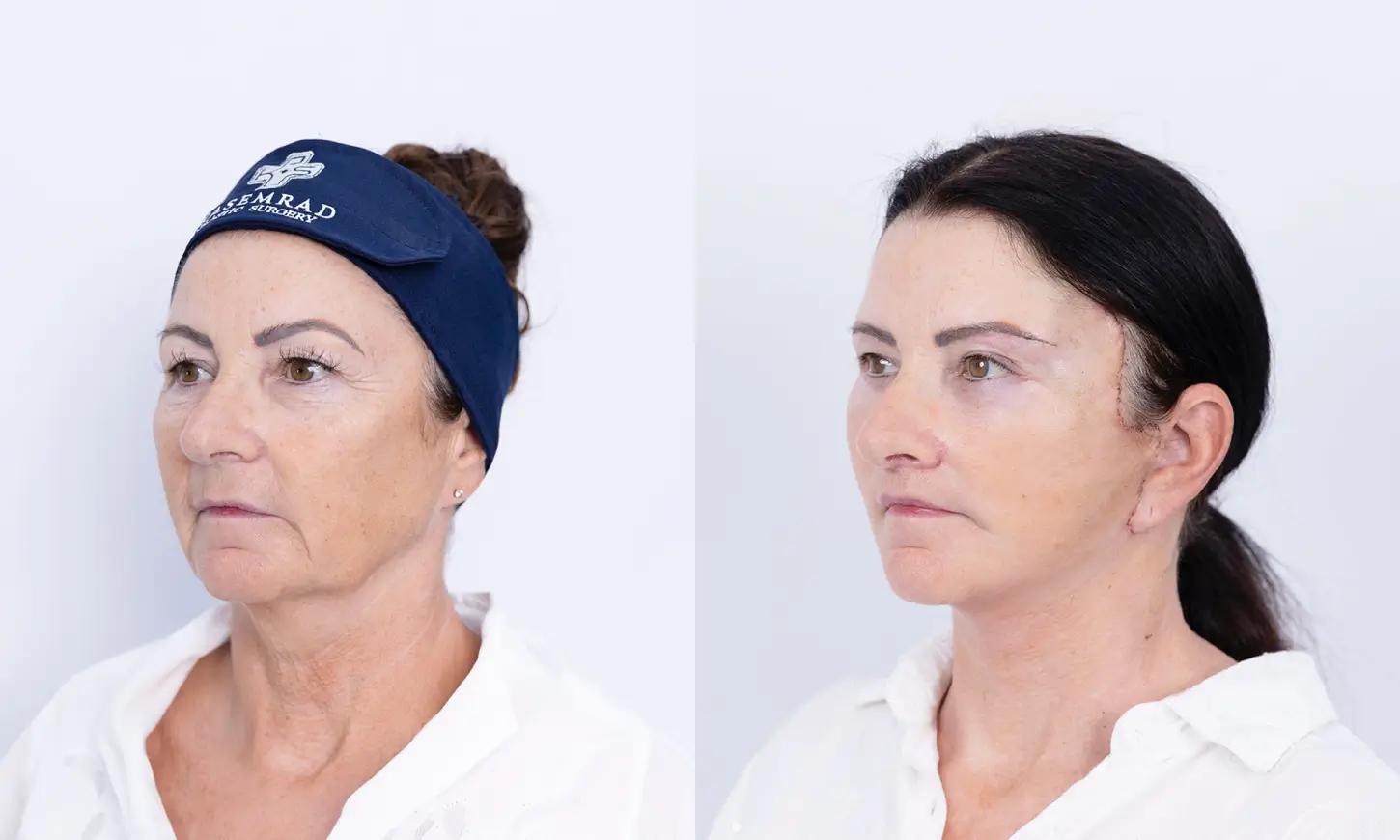
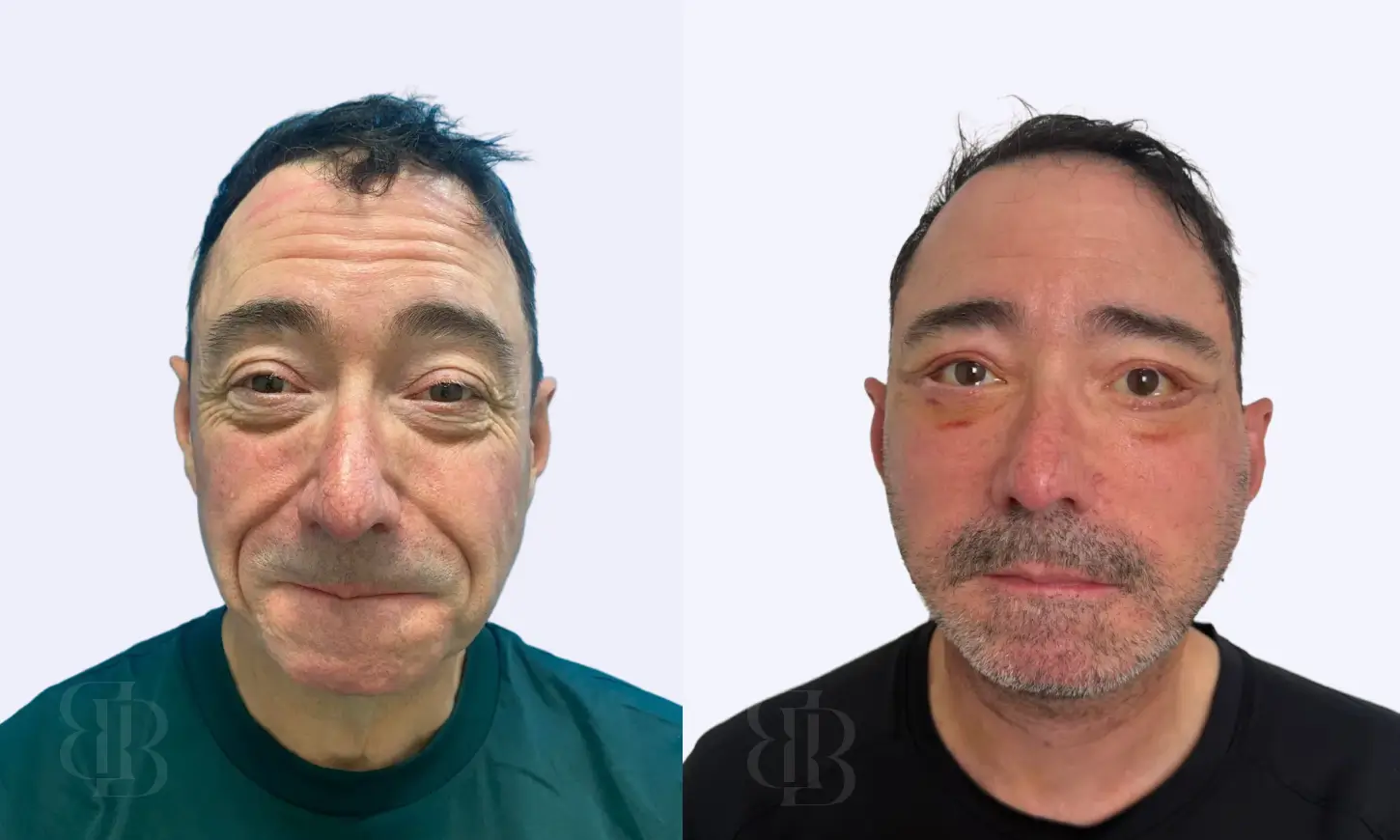
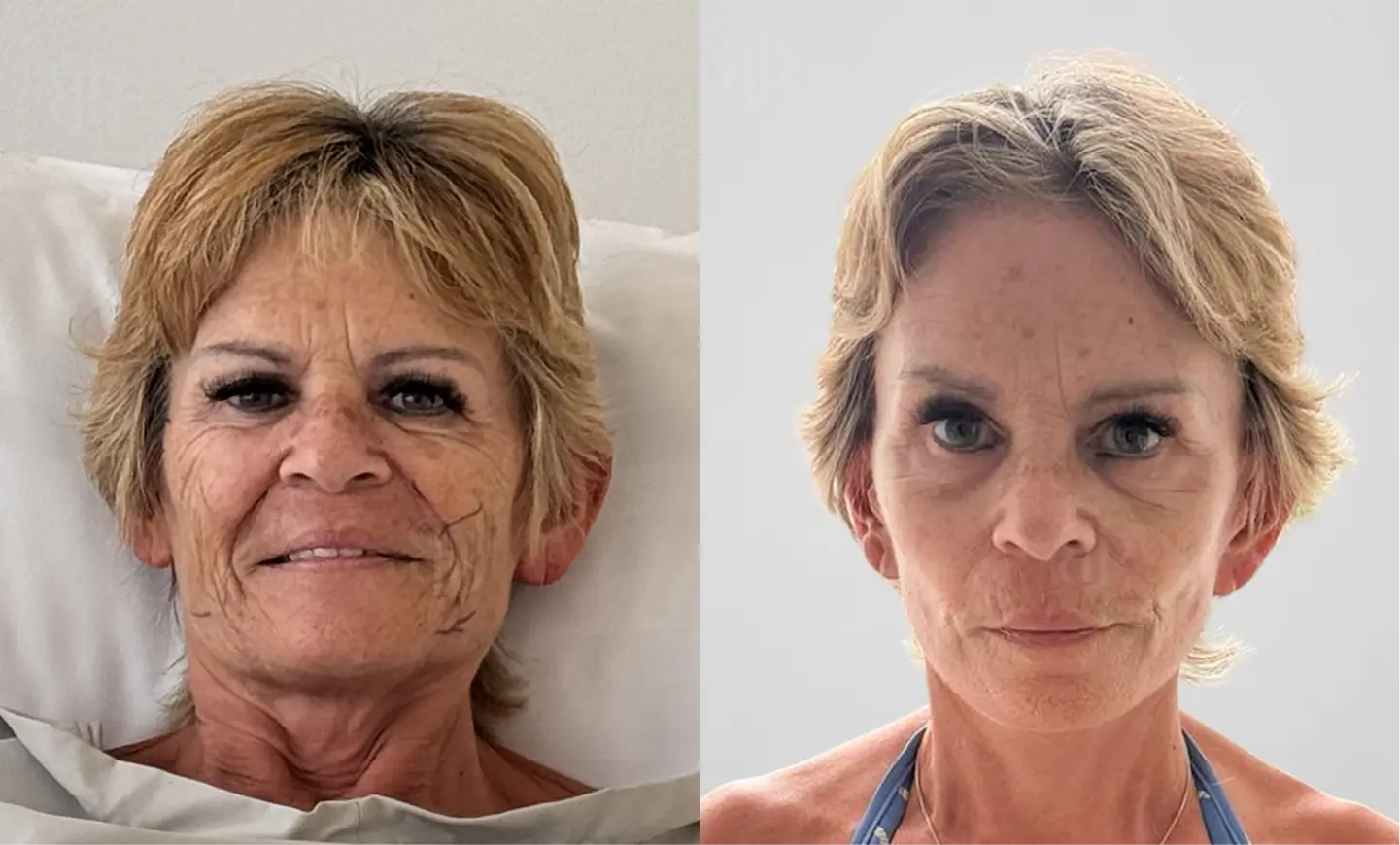
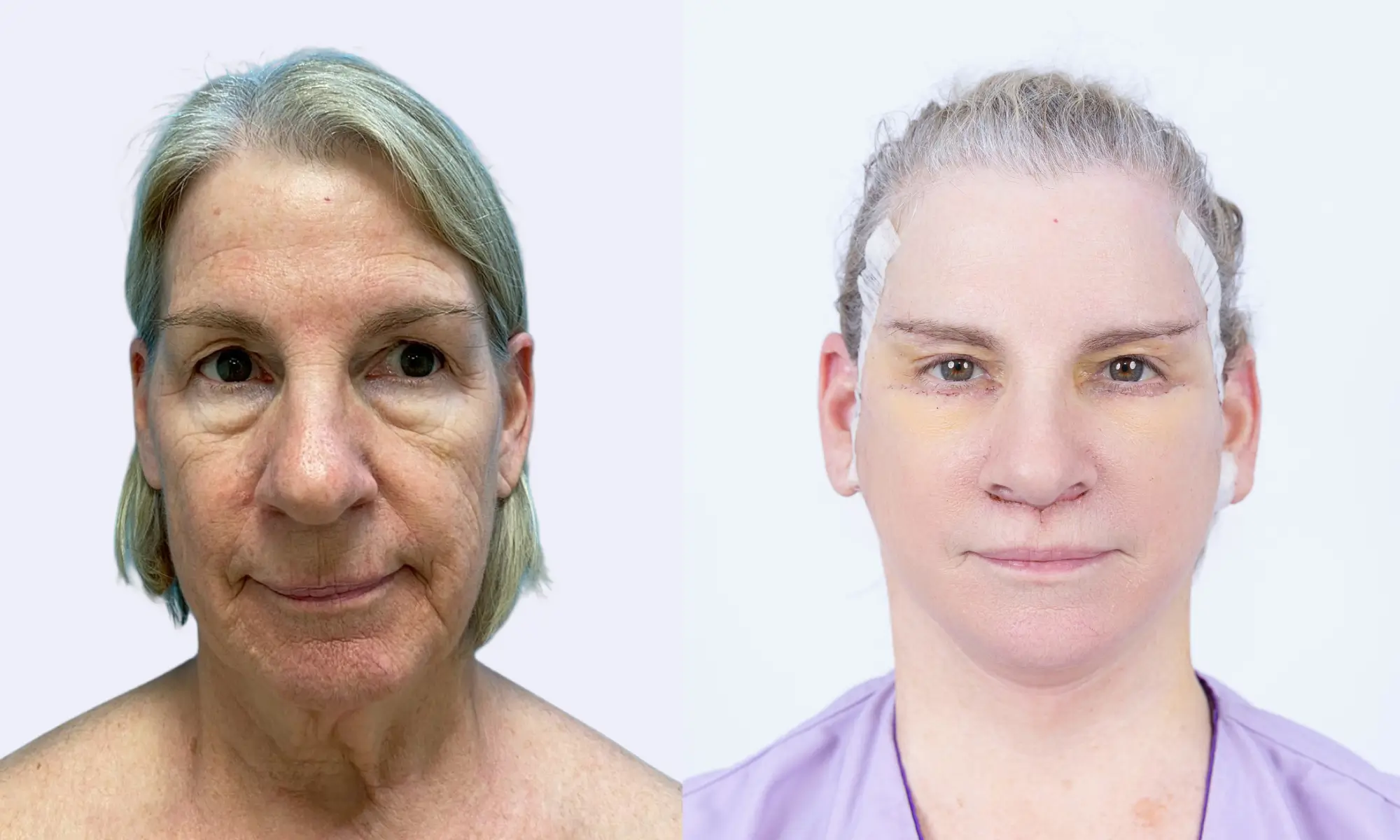
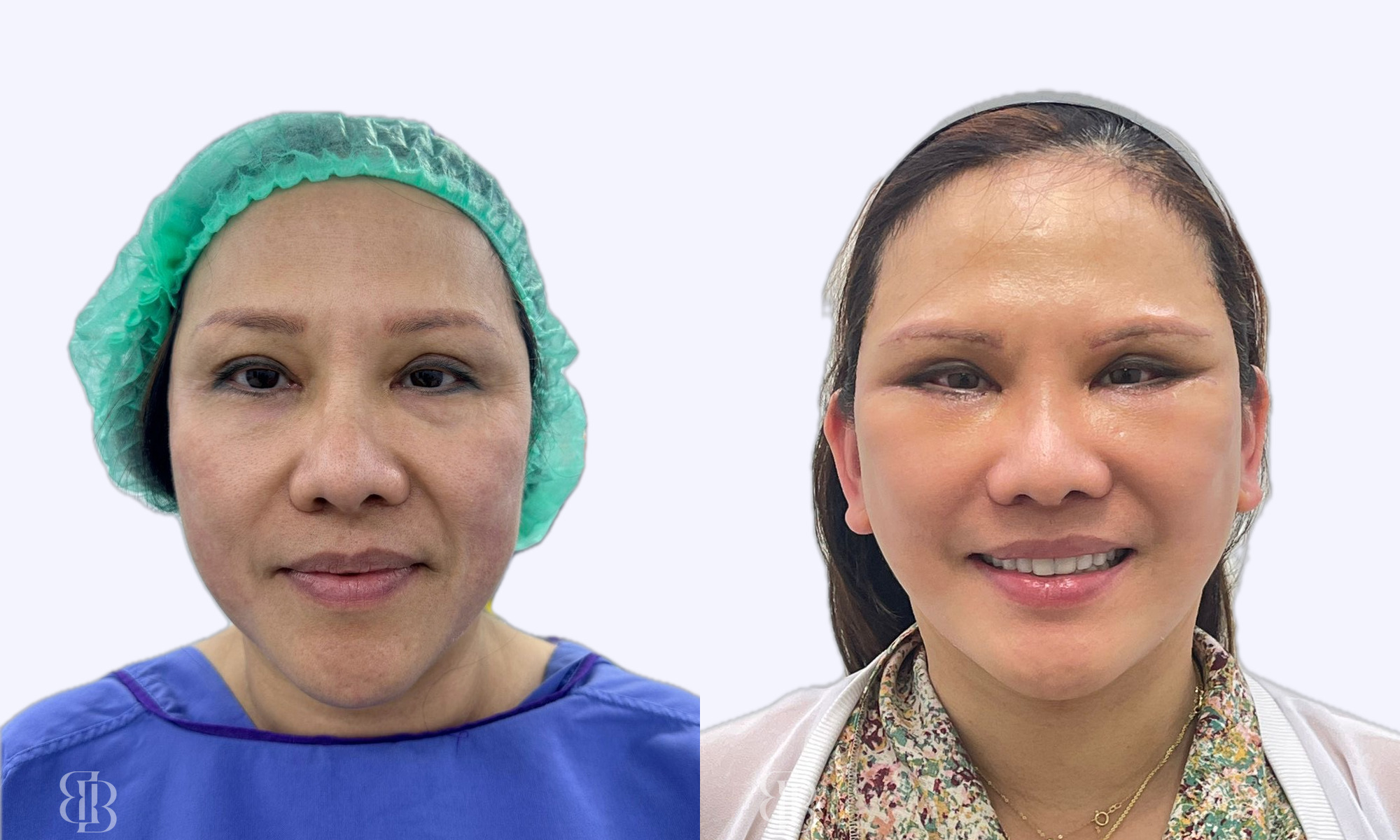
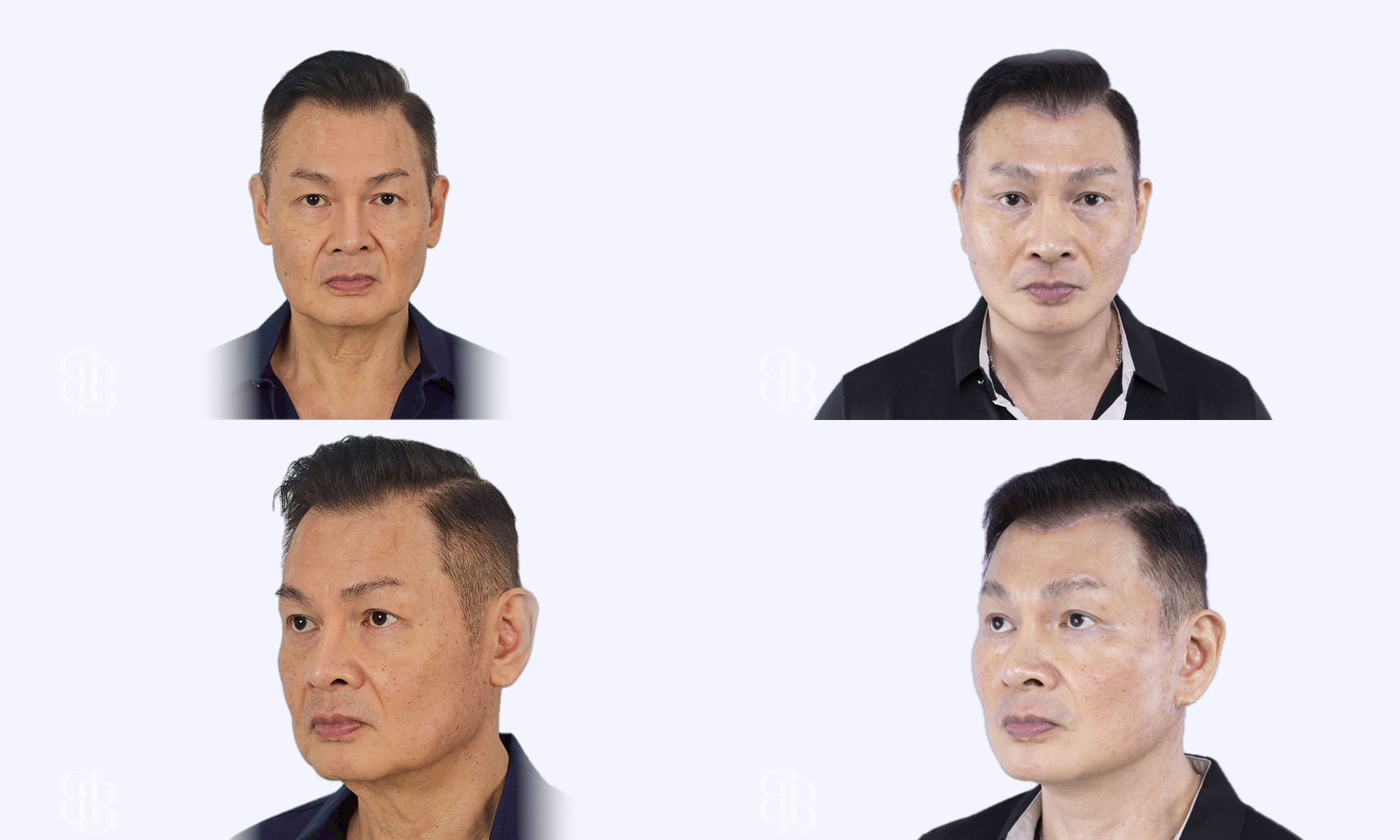
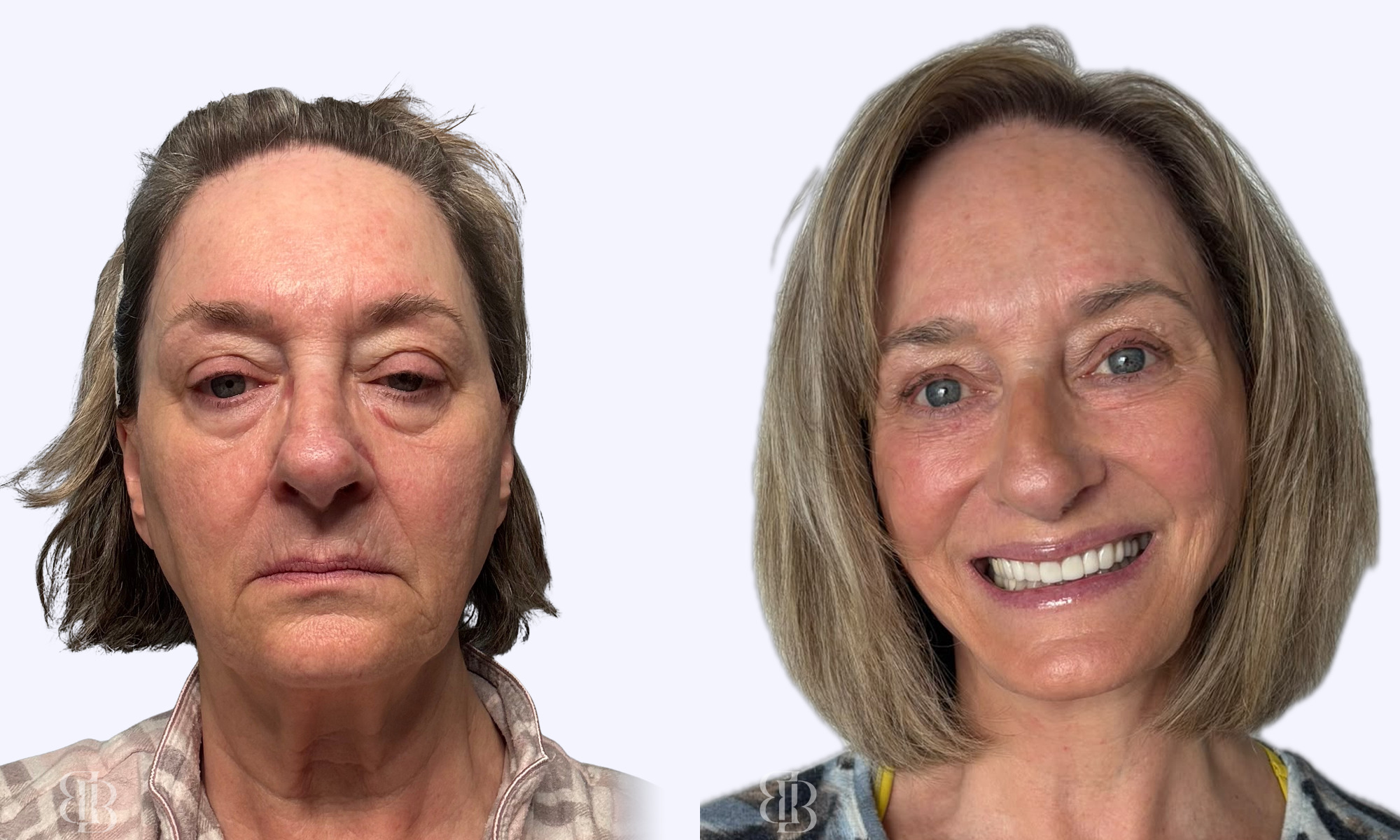
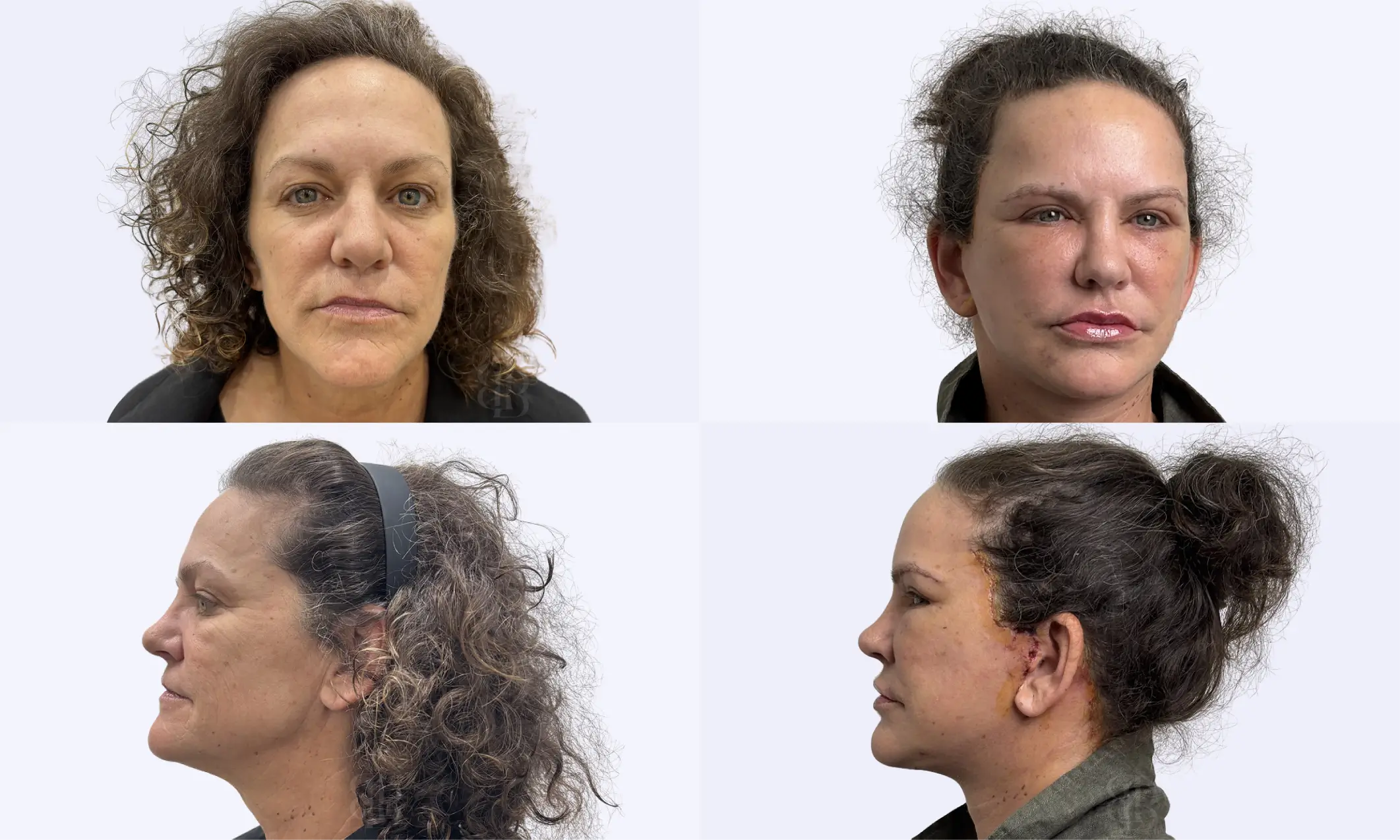
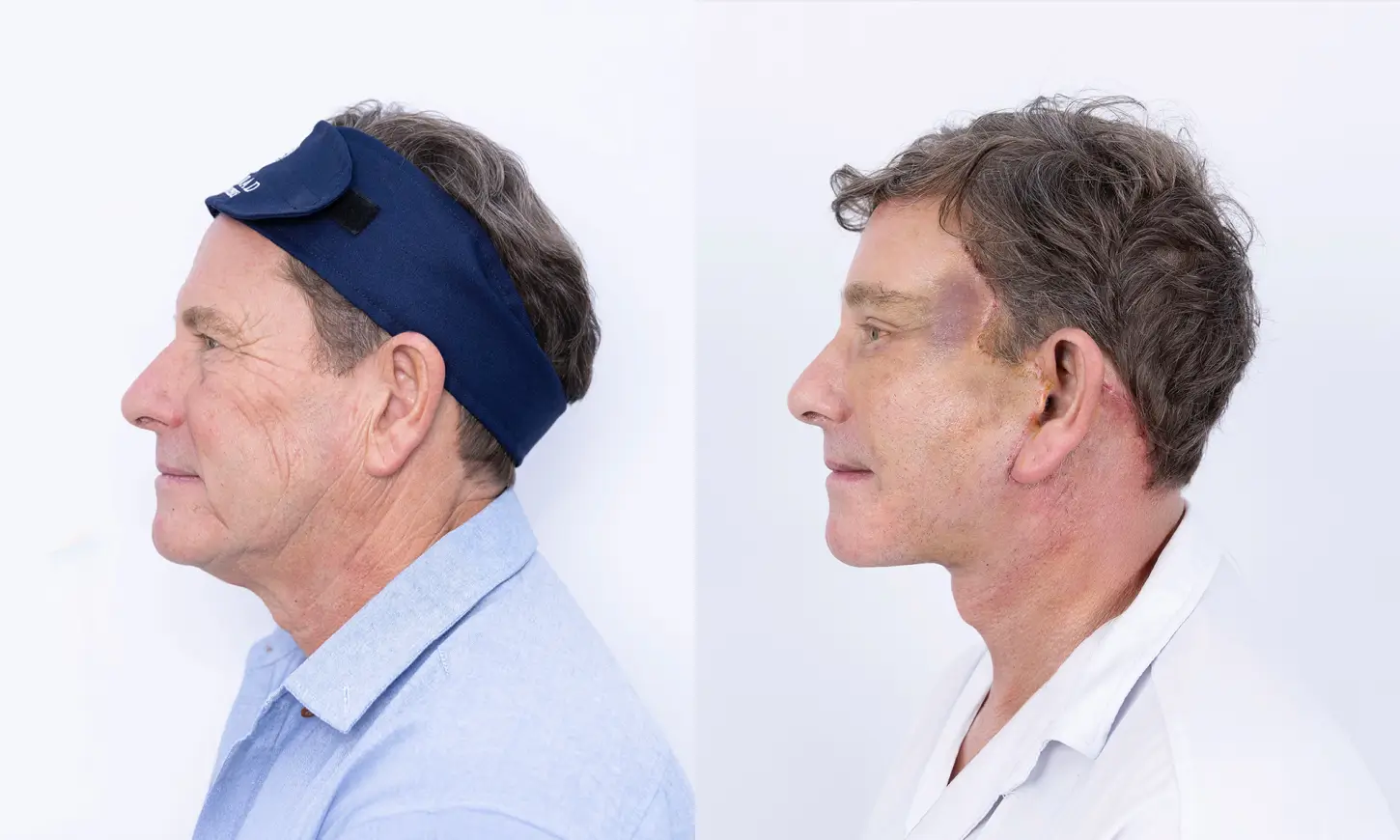
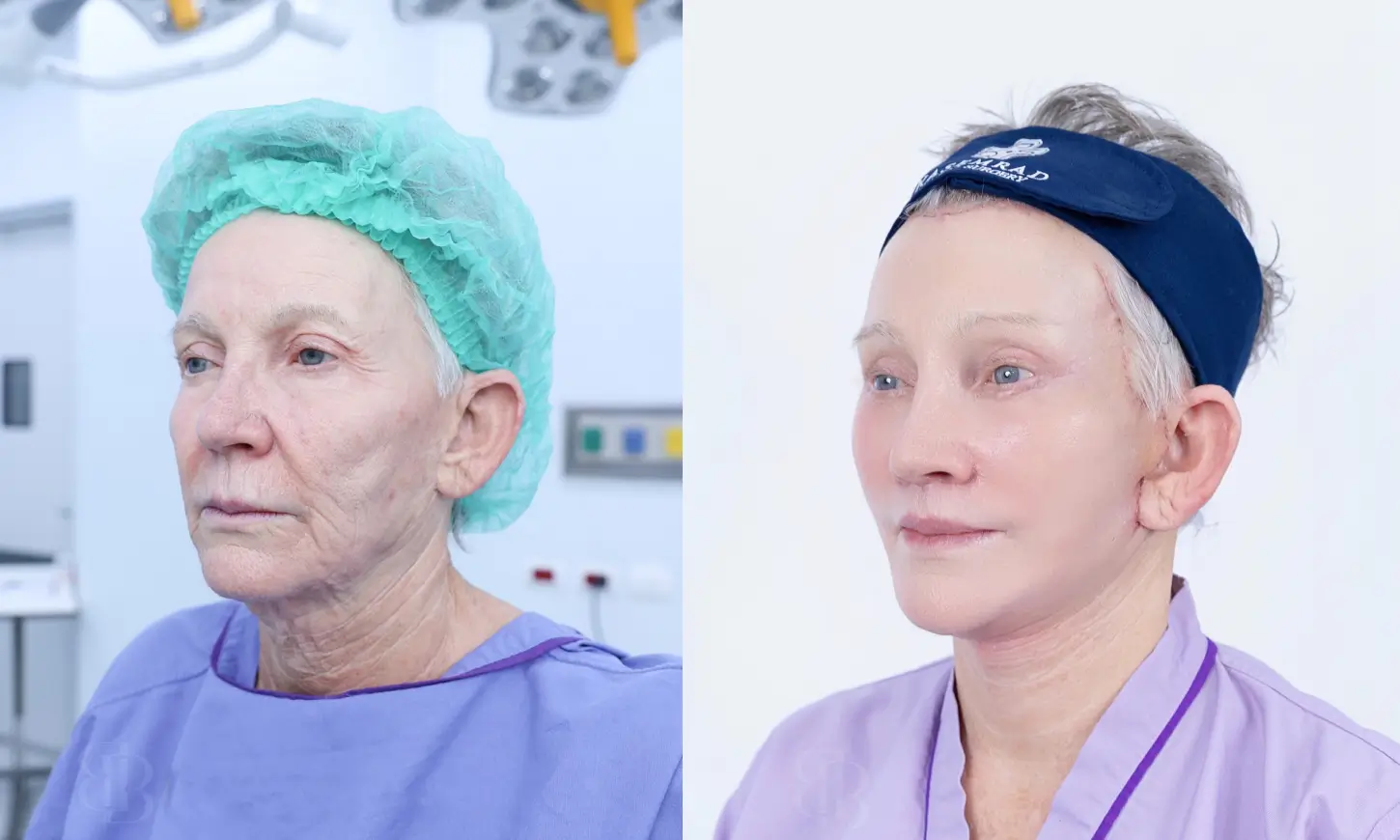
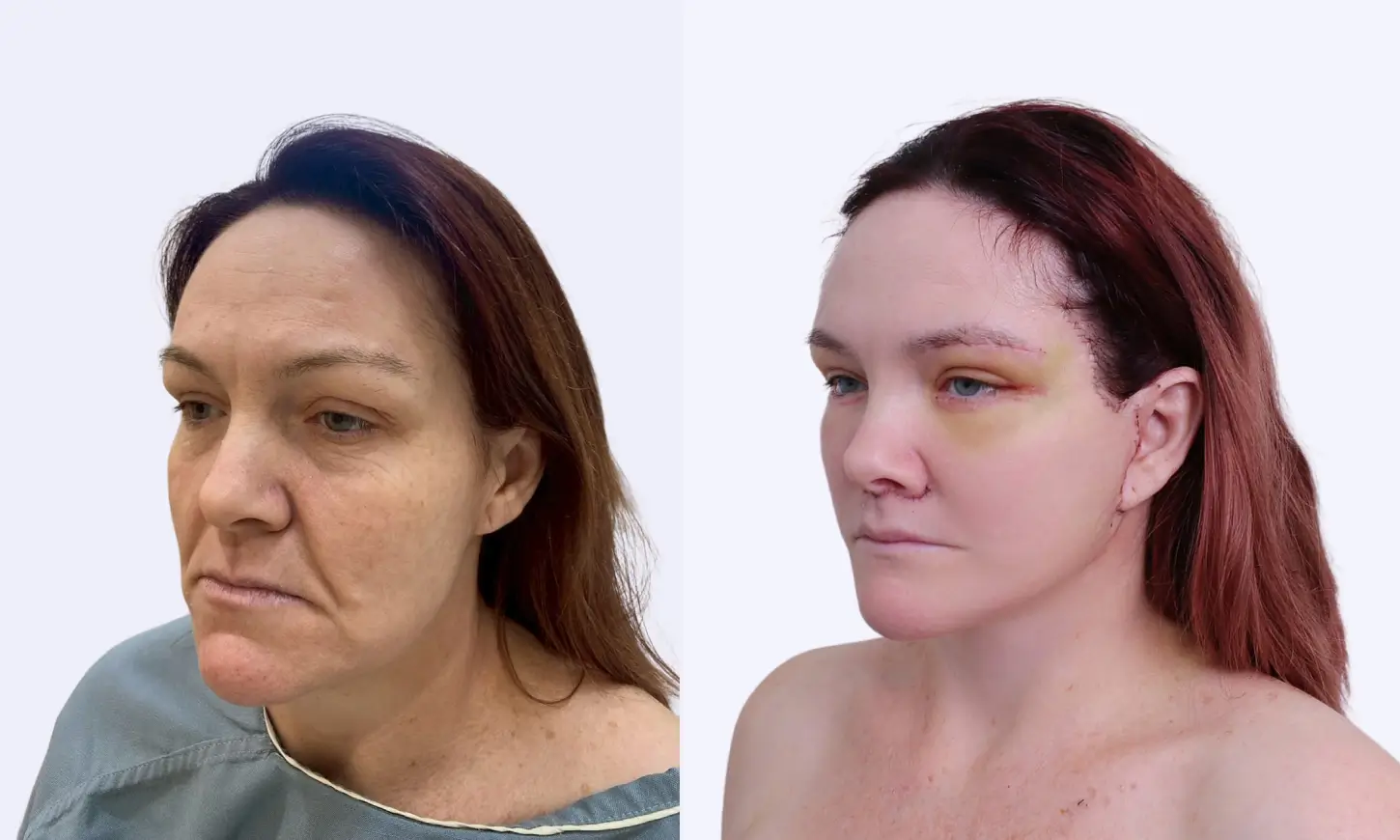
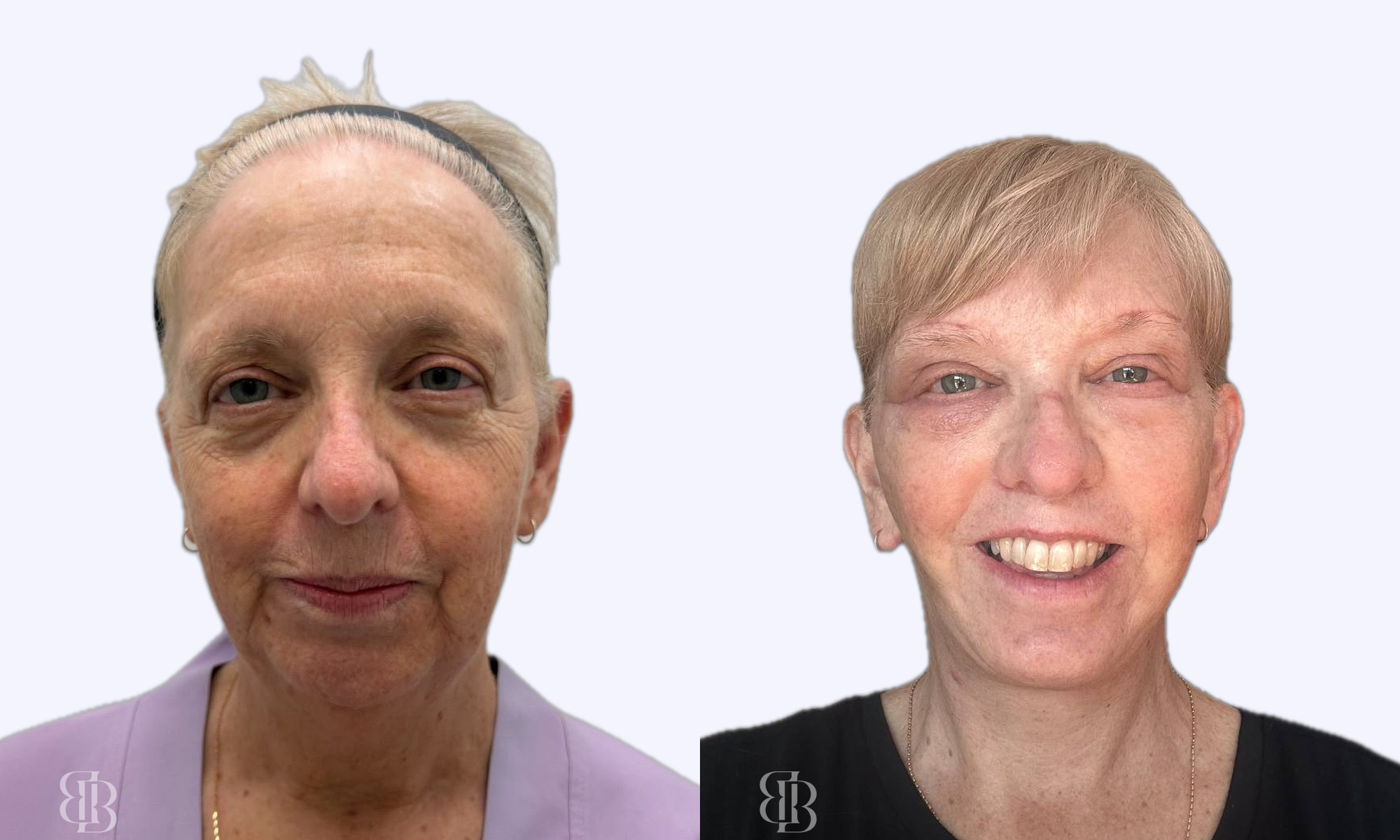
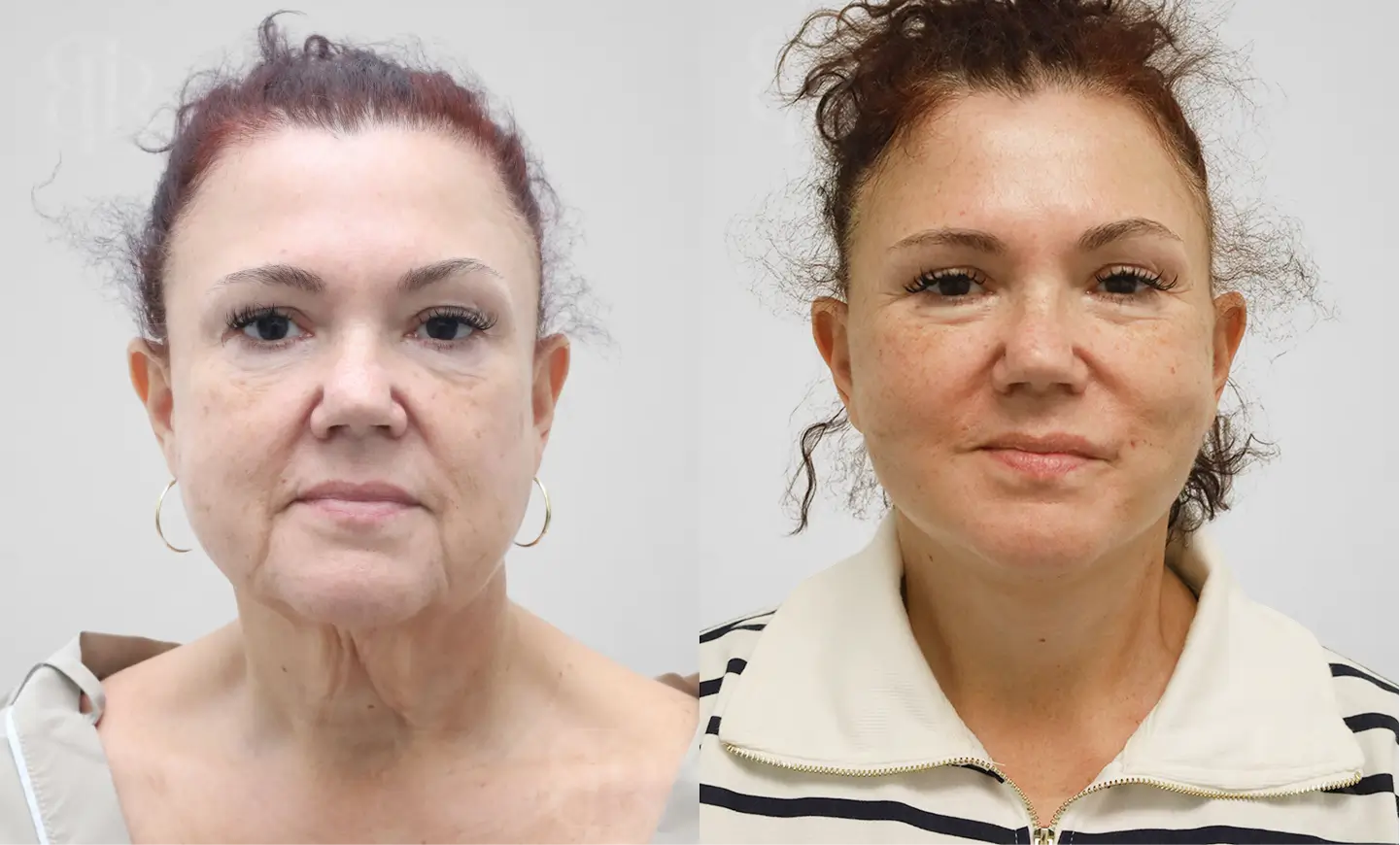

What our Facelift Patients Say
I'm on day 7 after the surgery and already see a big improvement after my face lift. Nurse Coffee was visiting me every day and was really supportive and answered all my questions… Dr Note the surgeon works magic, and my husband says he's made me look at least 20 years younger.
Julie
Read on GoogleI cannot find the words to express what a fantastic journey it has been. My husband and I had a deep plane face lift after speaking with Jane for a relatively short time… Everything was smooth and ran like a well oiled machine.
Lesley
Read on GoogleFor me, getting a facelift was a big decision, and having it done by Beauty Butler in Thailand was the absolute best decision I've made… The recovery was not difficult at all, and the exceptional post-op care was beyond our expectations.
Jane M.
Read on GoogleOUR PROCESS
Talk To Us
.webp)

Get Your Plan
.webp)
Enjoy Your
Journey
.webp)
Treatment
.webp)
Happy Client
.webp)






FAQ – Everything You Need to Know About Facelift in Thailand
Your Journey, Your Glow: Blog Reads Just for You
.webp)


Is this the right procedure for you?
The honest way to find out: talk with our team, then meet your surgeon by video to hear their real recommendation — all before you decide anything.
See if this is right for meTrue luxury is peace of mind, especially when you are far from home.