
.webp)

Wondering what recovery support you'll actually need?
Your concierge can tell you exactly what's included before you decide on anything extra.
Start with a free consultationYes — for most body and facial procedures, a compression garment is part of the treatment, not an accessory. It controls swelling, supports healing tissue and helps your new contour settle where the surgeon placed it. Most patients wear one almost continuously for the first four to six weeks, then part-time for a while after that. Your surgeon sets your exact schedule.
The garment is also the part of recovery patients most often get wrong. Worn too loosely, it does little. Worn too tightly, it can harm healing. Here is how to get it right.
What a compression garment actually does
Steady, even pressure does four useful things after surgery.
- Controls swelling. Surgery causes fluid to collect in the treated area. Compression limits how much gathers and helps your body clear it.
- Supports healing tissue. Skin and deeper tissue need to reattach smoothly to what lies beneath. Compression holds everything still while that happens.
- Shapes the result. This matters most after liposuction. Your final contour forms as the tissue settles, and the garment guides where it settles.
- Encourages circulation. Better blood flow through the legs and torso lowers the risk of clots, especially in the early days when you are moving less.
The shaping point is the one patients underestimate. After liposuction, the surgeon removes fat and leaves a space. How that space closes determines whether your result looks smooth or uneven. Compression is what makes it close evenly.
Which garment you need, by procedure
Not every operation needs the same garment. At Beauty Butler, your garment is matched to your procedure and included in your package:
- Breast augmentation or breast lift — a surgical support bra. It holds the implant or the new breast position steady and takes strain off the incisions.
- Liposuction, flanks, 360 or body contouring — a compression girdle. It covers the treated zones as one continuous piece, so pressure stays even across the whole contour.
- Tummy tuck — an abdominal binder. Firmer than a girdle, because a tummy tuck repairs the abdominal wall and that repair needs support.
- Arm liposuction or an arm lift — an arm garment, shaped to keep pressure on a limb that moves constantly.
- Facelift, neck lift or eyelid surgery — a facial garment, worn mostly at night once the first days have passed.
If you are having more than one procedure, you may need more than one garment. A mommy makeover often means a bra and a binder together.
Keeping one garment clean. Your package includes the garment your procedure needs. Because compression is worn almost constantly in the early weeks, plan your washing around your shower: rinse it through while you wash, then let it air dry flat and put it back on. Ask your nurse before leaving it off for any longer than that.
How long do you wear it?
Most surgeons work in two stages. The ranges below are typical, and your surgeon confirms your own schedule at your follow-up.
Stage one — the first two to four weeks. Worn continuously, around 22 to 24 hours a day. It comes off to shower and to be washed. This is the period that does the most work, and it is the one to be strict about.
Stage two — roughly weeks four to eight. Often stepped down to 12 hours a day, or to nights only. Some patients move to a lighter second-stage garment that is easier to wear under clothes.
After that. Many patients keep wearing one during exercise or long days for a few months, simply because it feels more comfortable. That part is optional.
Two things change the timeline. Larger multi-area cases usually mean longer compression. And a tummy tuck typically needs a binder for longer than liposuction alone needs a girdle. If your surgeon gives you a schedule that differs from the ranges here, follow your surgeon.
Getting the fit right
A garment should feel firm and supportive. It should not feel painful.
Signs the fit is right
- Even pressure across the whole treated area, with no gaps
- Snug enough that it does not slide or roll when you move
- You can breathe comfortably and walk normally
- No deep grooves in the skin when you take it off
Signs it is too tight — take it off and tell your nurse
- Numbness, tingling, or pins and needles
- Skin that turns pale, blue or dusky
- Pain that builds rather than eases
- Deep indentations, blistering or broken skin
- Swelling that gets worse below the garment rather than better
That last one is the most misread. If your ankles or hands swell more while wearing the garment, the compression may be blocking flow rather than helping it. Too tight is not "extra effective". It can cause skin damage and slow healing.
Seams and edges also matter. A rolled edge digging into healing skin can leave a permanent mark in the contour. Smooth the garment flat every time you put it on.
Practical tips that make the weeks easier
- Sizing is based on your post-surgery measurements, not your goal size. A garment bought to fit the body you hope to have will not work on the body you are healing in.
- Front fastenings beat step-in styles in the first fortnight. Raising your arms or bending is uncomfortable early on.
- Wear a thin cotton layer underneath if seams irritate you. It also keeps the garment cleaner.
- Wash by hand or on a cool cycle and air dry. Heat destroys elastic, and a stretched-out garment gives no compression.
- Take it off for showering only, in stage one, and put it straight back on.
- Do not upgrade yourself to a tighter size because progress feels slow. Ask your nurse instead.
What Beauty Butler includes
Your compression garment is part of your package, not an extra you shop for after surgery. Every Beauty Butler surgical package includes:
- The compression garment your procedure needs, fitted after surgery
- Nurse visits during recovery, where fit and skin condition are checked
- Guidance on your wearing schedule, matched to your surgeon's protocol
- Someone to ask when something does not feel right
That last point is the one that matters most. Most garment problems are easy to fix in the first day or two and much harder to fix in week three. Patients recovering alone at home often wait, hope it settles, and end up with a mark in the contour. Our nurses see the garment on your body, not in a photograph.
For the full picture of your recovery, see what to expect and our complete guide to post-surgery recovery in Thailand.
Compression is one part of a bigger recovery
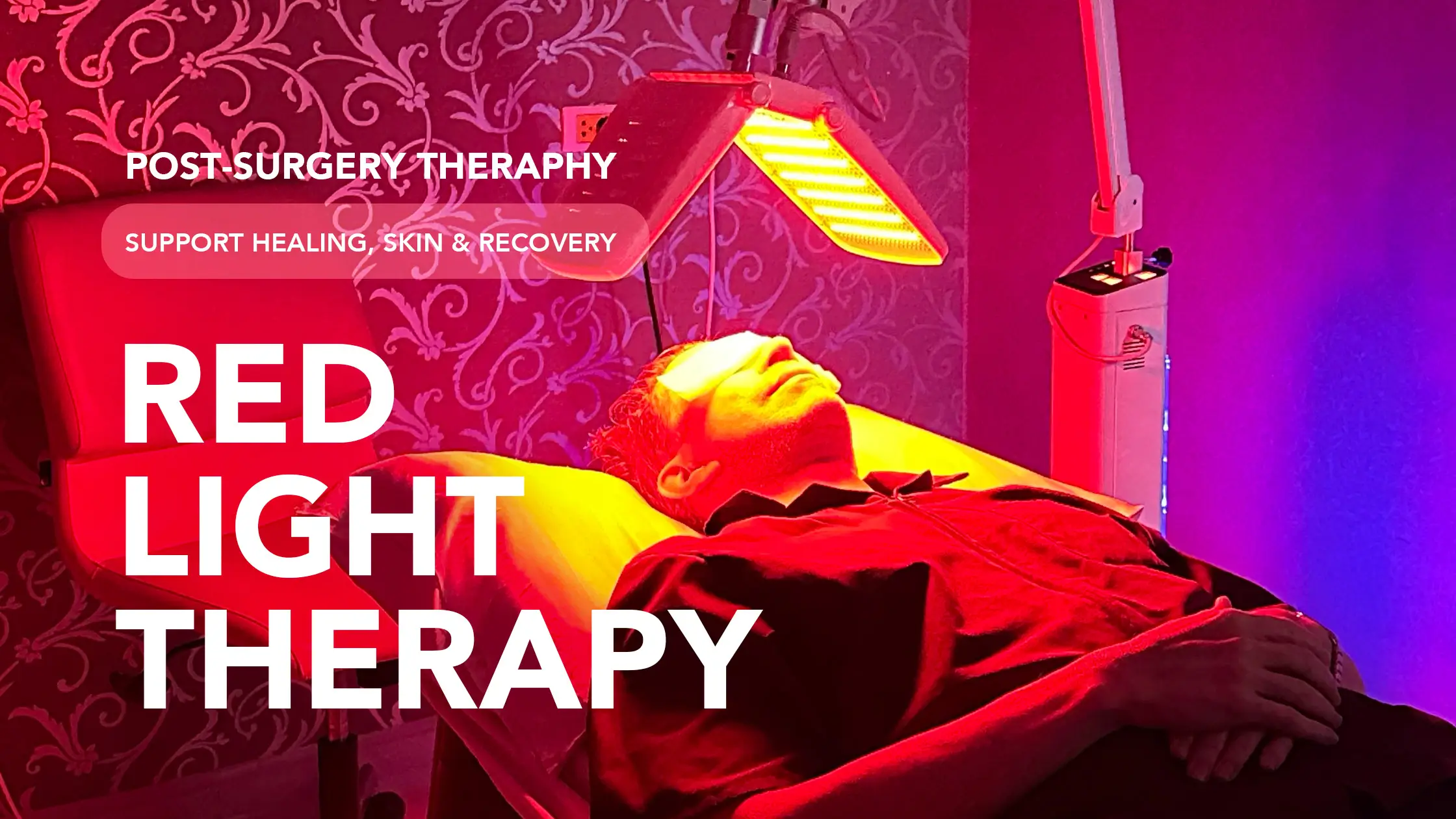
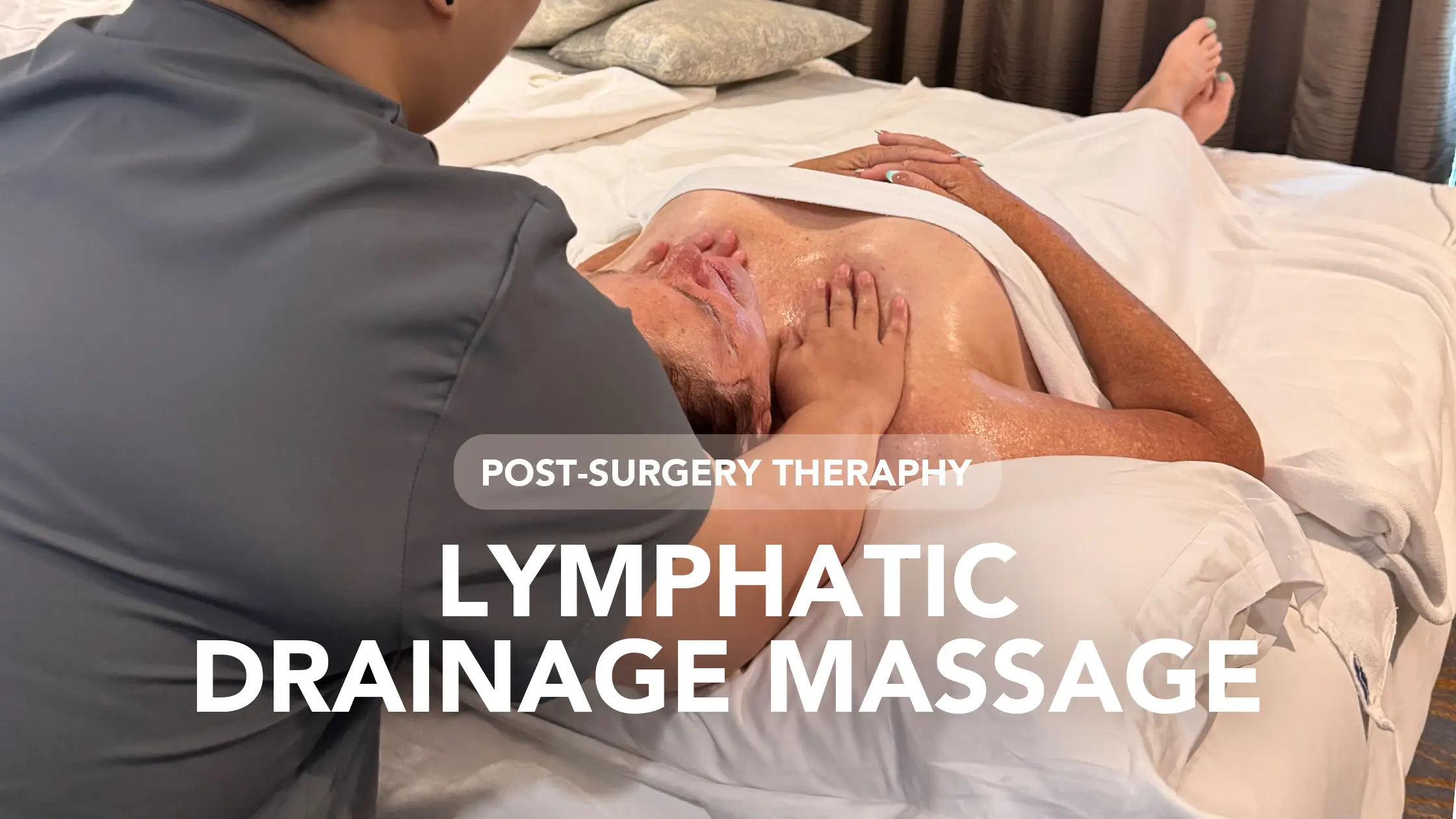
A garment works alongside everything else you do in those weeks. Gentle walking keeps circulation moving. Reducing swelling has more on positioning and fluids. What to eat after surgery covers the protein and hydration that support tissue repair. And scar care matters from the moment incisions close.
If you are still deciding on a procedure, the cost guides set out what each one includes: liposuction and tummy tuck. Garments are included in both. You can also read what happens after liposuction week by week, or how to maintain your results once you are healed.
Have a question about your own recovery? Start with a free consultation — the next step costs nothing.
Frequently asked questions
Do I really need a compression garment after surgery?
For most body and facial procedures, yes. It is part of the treatment rather than an optional extra. Compression controls swelling, supports healing tissue and guides your final contour as it settles. Skipping it, or wearing it loosely, is one of the most common reasons a result looks uneven.
How long do I wear a compression garment after liposuction?
Most patients wear one almost continuously for the first two to four weeks. From weeks four to eight, that usually steps down to about 12 hours a day, or nights only. Larger multi-area cases need longer. Your surgeon confirms your own schedule at follow-up.
Can I take my compression garment off to shower?
Yes. In the first stage, showering is the only time it comes off, and you put it straight back on afterwards. Most patients rinse the garment through at the same time, then let it air dry flat before putting it back on. Ask your nurse before leaving it off for longer.
What happens if I do not wear my compression garment?
Swelling lasts longer, fluid is more likely to collect, and the treated tissue can settle unevenly. After liposuction this can leave visible irregularities in the contour. These are difficult to correct later, which is why surgeons are firm about compression in the early weeks.
How tight should a compression garment be?
Firm and supportive, but never painful. You should breathe comfortably and walk normally, with even pressure and no gaps. Numbness, tingling, pale or bluish skin, worsening pain or deep indentations mean it is too tight. Take it off and speak to your nurse.
Which compression garment do I need for my procedure?
A surgical support bra for breast augmentation or a breast lift. A compression girdle for liposuction, flanks, 360 or body contouring. An abdominal binder for a tummy tuck. An arm garment for arm liposuction or an arm lift. A facial garment for a facelift, neck lift or eyelid surgery. Combined procedures may need more than one.
Is a compression garment included in my package?
Yes. The garment your procedure requires is included and fitted after surgery. Your nurse checks the fit and your skin at recovery visits, and adjusts your wearing schedule to your surgeon's protocol.
How do I wash my compression garment?
Wash it by hand or on a cool cycle, and air dry it flat. Heat destroys the elastic, and a stretched-out garment gives no useful compression. Most patients wash it during their shower window in the first stage, so the garment is off for as little time as possible.
Can I sleep in a compression garment?
Yes, and in the first stage you should. Sleeping in it keeps compression steady through the night, when swelling would otherwise build. Many patients continue with nights only during the second stage.
When can I stop wearing it completely?
Most patients finish structured compression between weeks six and eight, on their surgeon's clearance. Some keep wearing a garment during exercise or long days for a few months afterwards, purely for comfort. That part is a choice, not a requirement.
Can I wear a compression garment that is too big?
It will not do much. Compression works through even, measured pressure, so a loose garment gives little benefit and tends to roll or slide. Sizing should be based on your post-surgery measurements, not the size you hope to be.
.webp)

.webp)

The results you want — for a fraction of the cost.
Thailand's top surgeons, concierge care from first hello to flight home, and no hidden prices. Curious what's possible for you?
Explore your optionsTrue luxury is peace of mind, especially when you are far from home.