
.webp)
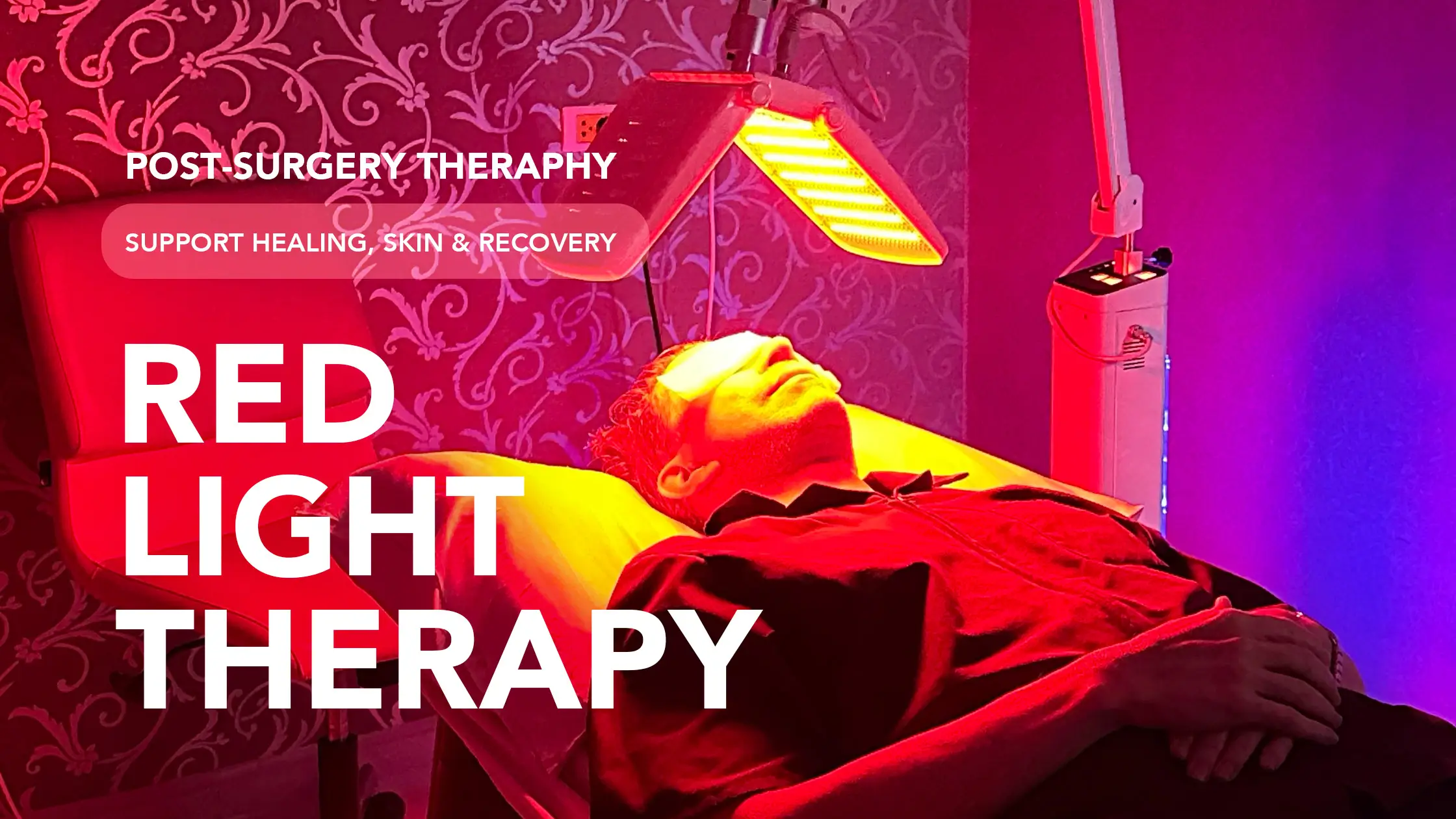
Curious if red light therapy fits your recovery?
Talk it through with your care team before you add anything to your plan.
Start with a free consultationRed light therapy is a gentle, well-tolerated way to support your skin as it heals after cosmetic surgery, with growing evidence for calmer wound healing and softer scars. Most of our patients find it soothing, and it is often one of the nicest, most restful parts of the recovery day. That is why it is often included in our recovery packages, coordinated and supervised as part of your aftercare, never a gadget we hand you to figure out alone. A 2026 meta-analysis of 56 trials found near-infrared light gave a moderate benefit for wound healing and pain (Liu et al., International Wound Journal, 2026).
This is general information, not medical advice. Always follow the instructions of your board-certified surgeon, who knows your case and your healing.
If you have wondered whether red light therapy is worth adding to your recovery, this guide gives you the confident, honest picture. We explain what the science supports, when you can start, and how it fits into a calm, guided recovery abroad.
The verdict on red light therapy after surgery
Red light therapy is a genuinely useful, low-risk support for recovery, and the research behind it keeps getting stronger. The largest recent review, covering 56 randomised trials and 4,920 patients, found near-infrared light produced a moderate improvement in wound healing and pain, with the best results in the 700–850 nm range (Liu et al., International Wound Journal, 2026).
To be honest about the science, the certainty of that evidence is still developing, so we describe red light as a helpful adjunct rather than a cure. What we can say with confidence is what we see every week. Our patients love their sessions and find them one of the most calming parts of recovery. Used sensibly alongside proven basics like scar care after surgery and sun protection, it is a treatment we are happy to include and stand behind.
What is red light therapy, and how is it thought to work?
Red light therapy, also called photobiomodulation or LED therapy, uses specific wavelengths of low-level light to stimulate activity in your skin's cells. It is non-invasive, painless, and involves no heat damage. The two wavelength families studied most sit in the red and near-infrared bands, and they reach different depths.
Red light versus near-infrared: depth is the difference
Red light, roughly 600–700 nm, is absorbed by mitochondria in cells near the surface, where it is thought to support ATP energy production. Near-infrared, roughly 780–950 nm, penetrates deeper, around 5–10 mm, reaching fibroblasts and small blood vessels. That deeper reach is why near-infrared is studied for tissue and incision healing, while red light is often used for surface skin quality and scars.
The proposed mechanism is anti-inflammatory and collagen-supporting. By nudging cellular energy and signalling, the light may help calm inflammation and support the orderly collagen that underpins tidy healing. This is an area of active study, not settled fact.
Does red light therapy actually help you heal?
Yes, and the evidence keeps growing, strongest for wound healing, pain, and scar appearance. The 2026 meta-analysis of 4,920 patients found near-infrared gave a moderate benefit for wound healing and pain, best at 700–850 nm (Liu et al., International Wound Journal, 2026). The signal is real and encouraging, and our patients tell us their skin feels calmer and more comfortable through those early weeks.
What the scar research shows
For scars specifically, the news is encouraging. A 2026 scoping review found red light at 633–670 nm improved scar scores, especially in scars less than 12 months old, while near-infrared at 808–830 nm helped hypertrophic and post-surgical scars, including those from eyelid surgery (Gaumond et al., Lasers in Medical Science, 2026). The authors called the findings positive.
One facelift trial adds a striking detail. In a split-face randomised study of 30 patients who began 633 nm LED about one week after surgery, three times a week for three weeks, the treated side showed roughly 78% reduction in induration at six months, versus about 50% on the placebo side (Kurtti et al., Journal of Biophotonics, 2021). That is one small trial of 30 facelift patients, so we treat it as promising early evidence.
What red light therapy does NOT do
Set the myths aside. Red light does not heal you "200% faster," it does not prevent or remove scars, and it will not rescue a poorly performed operation. It does not replace silicone sheeting, sun protection, or your surgeon's technique. It is a supportive extra, layered on top of the fundamentals in our complete guide to recovery in Thailand.
When can you start red light therapy after surgery?
Your surgeon decides the timing, and the safe default is to wait until incisions are closed and cleared, often around one to two weeks post-op. In the facelift trial above, patients began 633 nm LED about one week after surgery, three times a week for three weeks (Kurtti et al., Journal of Biophotonics, 2021). That kind of schedule, a few short sessions a week over several weeks, is typical in the research.
Timing depends on your procedure and how you are healing. Some patients start light therapy near the wound area only once stitches or staples are out and the surgeon confirms the skin is intact. Others focus first on swelling with proven measures from our guide to reducing swelling after surgery. There is no single rule, which is exactly why this is a conversation with your surgeon, not a self-start decision.
Is red light therapy safe, and who should be cautious?
Red light therapy is generally considered safe and non-invasive when used appropriately, with no ionising radiation and no downtime. That said, a few clear cautions apply. Do not apply light directly over fresh incisions, stitches, or staples until your surgeon clears it. The skin barrier needs to be intact first.
Take extra care if you use photosensitising medications, have a photosensitive condition, or have any sign of active infection near the surgical site. In those cases, red light may not be suitable, so ask your surgeon before starting. Eye protection is also standard practice around near-infrared, especially for facial work such as a facelift or eyelid surgery. Used within these limits, most patients tolerate it very comfortably.
At-home devices versus professional in-clinic LED
Both can deliver real wavelengths, but they differ in power, consistency, and, crucially, supervision. Professional in-clinic LED panels typically produce higher, more uniform output, and a trained team sets the wavelength, distance, and session length for your stage of healing. Consumer masks and wands are gentler and more variable, and results depend heavily on correct use.
The bigger issue after surgery is not the gadget, it is the guidance. Post-operative skin is delicate, and the wrong timing or placement helps no one. That is why supervised sessions, matched to your procedure and cleared by your surgeon, are the sensible route while you are still healing. General device shopping can wait until you are fully recovered.
How red light therapy fits your recovery with Beauty Butler
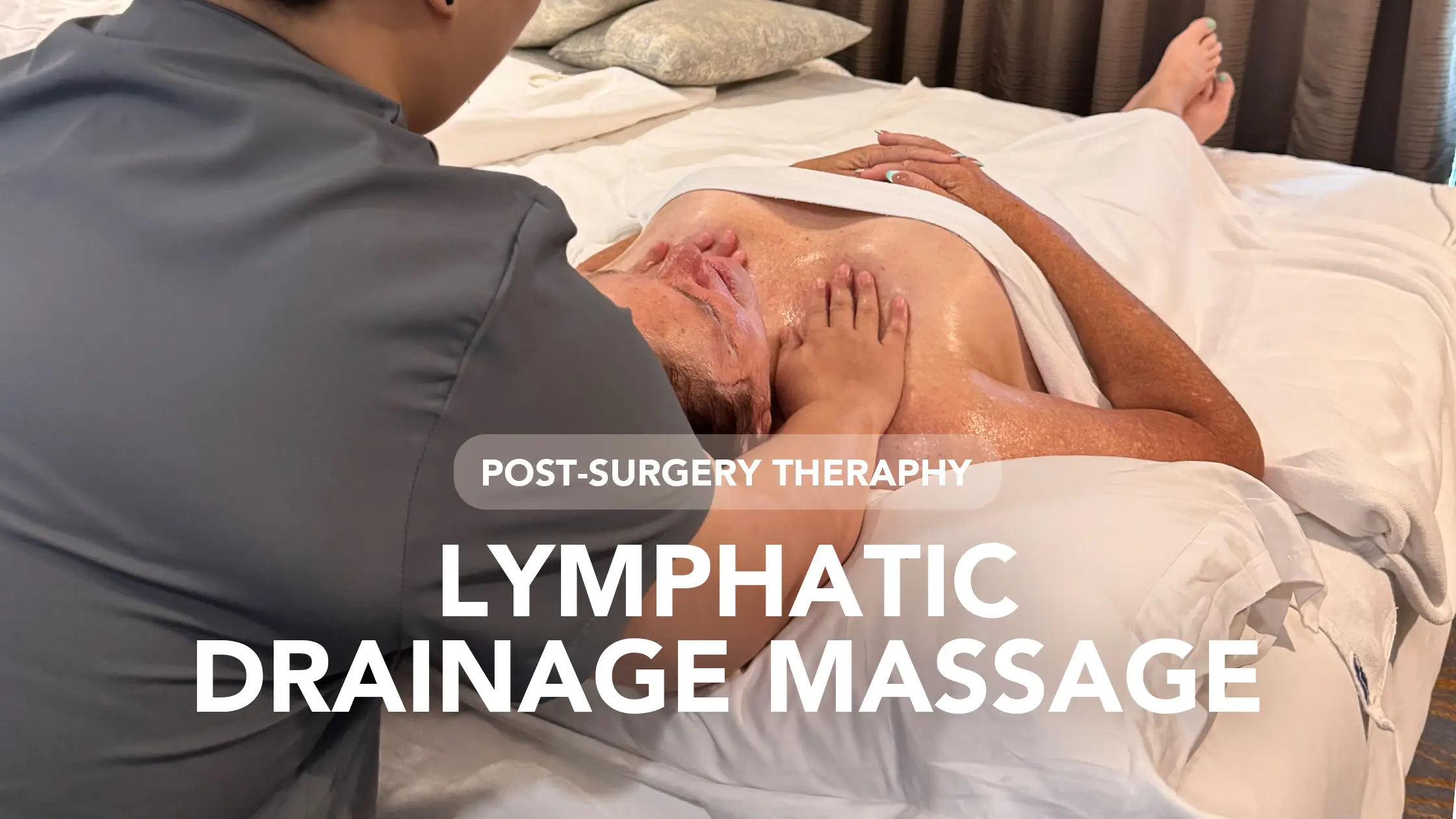
Red light therapy is often included in Beauty Butler recovery packages, coordinated and supervised by our clinical team as part of your structured aftercare. When it is included, sessions usually take place at your follow-up appointments with the surgeon in hospital, around day 7 and day 14 after surgery. That means the treatment is given under professional eyes at exactly the right stage, so you are never sourcing a device, guessing the settings, or wondering when to begin. It sits within a wider recovery plan alongside nurse visits, lymphatic drainage, and rest.
This fits how we think recovery should feel: calm, guided, and joined up. In our experience, the patients who recover most comfortably are the ones who do not have to manage the details alone. Light therapy is one supportive layer within that, never presented as a shortcut. You can see how the wider plan works in our overview of how our coordinated care works and our guide to the best activities for recovery in Thailand.
If scars are your main concern, our dedicated guide to avoiding scars and preserving skin after surgery goes deeper on the fundamentals. When you are ready to talk through your own recovery, you can start with a free consultation, and the first step costs nothing.
Frequently asked questions
Does red light therapy help you heal faster after surgery?
Yes, and the evidence keeps growing. A 2026 meta-analysis of 4,920 patients found near-infrared light gave a moderate benefit for wound healing and pain, best at 700–850 nm. We describe it as a genuinely helpful, low-risk adjunct that supports comfortable healing, rather than a guaranteed speed boost. This is general information, so follow your board-certified surgeon.
When can I start red light therapy after cosmetic surgery?
Your surgeon decides, and the safe default is to wait until incisions are closed and cleared, often around one to two weeks post-op. In one small facelift trial, patients began 633 nm LED about a week after surgery, three times weekly for three weeks. Never start over fresh wounds without your surgeon's approval.
Is red light therapy safe over incisions, stitches, or staples?
Not while they are fresh. Red light is generally safe and non-invasive, but you should not apply it directly over open incisions, stitches, or staples until your surgeon confirms the skin barrier is intact. Once cleared, most patients tolerate supervised sessions very comfortably. Timing over the wound area is always a surgeon-led decision.
Can red light therapy reduce scars?
Yes, it can help. A 2026 scoping review found red light at 633–670 nm improved scar scores, especially in scars under 12 months old, and near-infrared at 808–830 nm helped hypertrophic and post-surgical scars. The results were positive. Red light does not prevent or remove scars, and it works alongside, not instead of, silicone and sun protection.
What is the difference between red light and near-infrared?
Depth. Red light, about 600–700 nm, works on the surface skin and is studied for scar appearance and skin quality. Near-infrared, about 780–950 nm, penetrates deeper, roughly 5–10 mm, reaching fibroblasts and small vessels, which is why it is studied more for wound and tissue healing. Many devices combine both.
How often and how long should I use it?
Research schedules commonly involve a few short sessions per week over several weeks. In one facelift trial, that meant three sessions a week for three weeks. Your ideal frequency and duration depend on your procedure and healing, so follow the plan your surgeon or clinical team sets rather than a generic protocol.
Does red light therapy help with swelling and bruising?
It may support the anti-inflammatory side of recovery, but the strongest evidence is for wound healing, pain, and scars, not swelling specifically. For swelling, proven measures like elevation, compression, and lymphatic drainage do more of the work. Red light can sit alongside these as a gentle, supportive extra once your surgeon clears it.
Is red light therapy the same as laser treatment?
No. Red light therapy, or photobiomodulation, uses low-level, non-thermal light to stimulate cell activity without damaging tissue. Ablative and many aesthetic lasers deliberately create controlled heat or micro-injury to remodel skin. They are different tools with different risks, and light therapy is the gentler, non-invasive option used during early recovery.
At-home device or in-clinic LED, which is better after surgery?
While you are healing, supervised in-clinic LED is the sensible choice. Professional panels give higher, more consistent output, and a trained team matches settings to your stage of recovery. At-home devices are gentler and more variable, and results depend on correct use. General device shopping is better left until you are fully recovered.
Are there risks, and who should avoid it?
Red light therapy is generally very safe, but caution applies if you take photosensitising medications, have a photosensitive condition, or have any active infection near the site. Do not use it over fresh incisions until cleared. Eye protection is standard. Because this is general information, ask your board-certified surgeon whether it suits your situation.
References
- Liu et al., Near-infrared photobiomodulation for wound healing and pain: a meta-analysis of 56 RCTs (4,920 patients), International Wound Journal, 2026
- Gaumond et al., Photobiomodulation for scars: a scoping review, Lasers in Medical Science, 2026
- Kurtti et al., 633 nm LED after facelift: split-face randomised trial, Journal of Biophotonics, 2021

.webp)

The results you want — for a fraction of the cost.
Thailand's top surgeons, concierge care from first hello to flight home, and no hidden prices. Curious what's possible for you?
Explore your optionsTrue luxury is peace of mind, especially when you are far from home.